Amanda Lynnes is currently Head of Communications and Environment at the International Association of Antarctica Tour Operators (IAATO). Her role is to help guide and implement IAATO’s mission and objectives to deliver safe, environmentally responsible Antarctic travel, representing the association at international fora including the Antarctic Treaty Consultative Meeting, Committee for Environmental Protection and Commission for the Conservation of Antarctic Marine Living Resources (CCAMLR). After completing an MSc in Ecology, she joined the British Antarctic Survey (BAS) as a CCAMLR Field Assistant, establishing CCAMLR Ecosystem Monitoring Programmes at Signy Island, South Orkney Islands (and later Port Lockroy on the Antarctic Peninsula) and researching foraging behaviour and population trends in Adelie and chinstrap penguins. Amanda’s passion for science communication eventually led her to take a position as Press Officer at BAS and later a role with the Royal Society for the Protection of Birds (RSPB) developing educational and science events at popular visitor sites in the UK. She also coordinated the British Antarctic Oral History Project for the UK Antarctic Heritage Trust (UKAHT). An Antarctic season at Port Lockroy first introduced her to IAATO operations and the potential for well-managed tourism to create ambassadors for the region’s continued protection.
-
1. What are the primary responsibilities and tasks in your current job?
I oversee IAATO’s communications and environment portfolios, working closely with our operations team. IAATO is a fascinating organisation to work for because achieving its mission (for safe, environmentally responsible private-sector travel) involves so many stakeholders including those within the Antarctic Treaty System, the science community, governments, conservation organisations, marine rescue coordination centres and of course its members.
My key communication responsibilities include developing strategies that align with IAATO’s mission and overseeing IAATO’s Digital Communications and Engagement Officer. Internal communications, engaging with the IAATO community to ensure they understand our mission, vision and objectives, is an important task. We use various communication channels and are currently working on a new website. I coordinate IAATO’s Education & Outreach Working group to help deliver its Antarctic Ambassador programme.
Wearing my environmental hat, I represent IAATO at various international meetings including the Committee for Environmental Protection at the Antarctic Treaty Consultative Meeting, CCAMLR and SCAR. I coordinate IAATO’s Climate Change Working Group, citizen science initiatives and IAATO's work in support of the UN Clean Seas campaign. At the moment I am working with SCAR to deliver a joint IAATO/SCAR Systematic Conservation Plan for the Antarctic Peninsula.
This means my work is really varied! In any one week I might be drafting a press release, guidelines or an information paper for a meeting; talking to a scientist or the BBC about a project, taking part in a search and rescue exercise, or chatting to a member about their plastic reduction efforts.
-
2. How did you get this position?
A friend and former colleague from BAS drew my attention to a communications and operations role with IAATO five years ago. It was part-time, which suited me perfectly at the time because I had babies, I applied and was offered the position. My experience as Press Officer and in Antarctic operations pushed me to the top of the interview list, I think.
-
3. Had you always intended to pursue a non-academic career? If not, what led you to it?
No, I did not. I fully intended to be a research scientist and my first job with BAS was definitely my dream career at the time! However, in the 1990’s as a female scientist, I was a still a minority, which presented various challenges. One bonus was that I was often called upon to do media interviews and attend events to talk about science. I really enjoyed this so when an opportunity arose to work at the BAS Press Office, I took it. The team was so encouraging and inspiring to work with I ended up following a communications career. Had I not, the natural path would have been to pursue a PhD.
My previous experiences working as a scientist and involvement in CCAMLR additionally led me to be very interested in the management of human activity in Antarctica. As such working for IAATO in support its mission was very appealing.
-
4. What would you have done differently to be better prepared for your current position? Which choices in the past were successful?
I would have taken additional training in communications, perhaps science communications, although was lucky to gain relevant hands-on experience with BAS and the RSPB. To stay current, I do a lot of self-study, primarily through the Chartered Institute of Public Relations (CIPR, https://www.cipr.co.uk).
My varied career and resulting ability to wear many hats has definitely helped me with my current role, although there are pros and cons of being a generalist rather than a specialist!
Having children changed my outlook on life, my priorities and my career aspirations.
-
5. Are there opportunities in your working place for candidates having a PhD degree?
Yes. Our Secretariat is small but expanding and PhDs are often valuable for management roles, including Executive Director. IAATO manages the most extensive database on human activity in Antarctica so we often have contracts with scientific organisations on projects such as understanding spatial and temporal distribution of IAATO activities or the current IAATO/SCAR Systematic Conservation Plan for the Antarctic Peninsula.
IAATO also has an annual fellowship, coordinated by COMNAP, for early career researchers:
https://www.comnap.aq/SitePages/fellowships.aspx
(the 2019-2020 fellows are here, announced earlier this month, in case of interest:
-
6. Do you have any advice for working towards this career?
Without a doubt, I notice that having a PhD opens doors, even if the subject has nothing to do with your eventual career! I don’t regret not doing one given other opportunities that came my way, but I do recognise the great value of having one.
Get to know polar stakeholders - individuals and organisations. It’s important to understand different viewpoints and objectives whatever your interests. It’s an interesting, sometimes impassioned, community where relationships lead to friendships and a network of people who can call on each other for advice (and fun!).
 Greta Carrete Vega is a Scientist at Vizzuality (a blogpost about her on the Vizzuality webpage:
 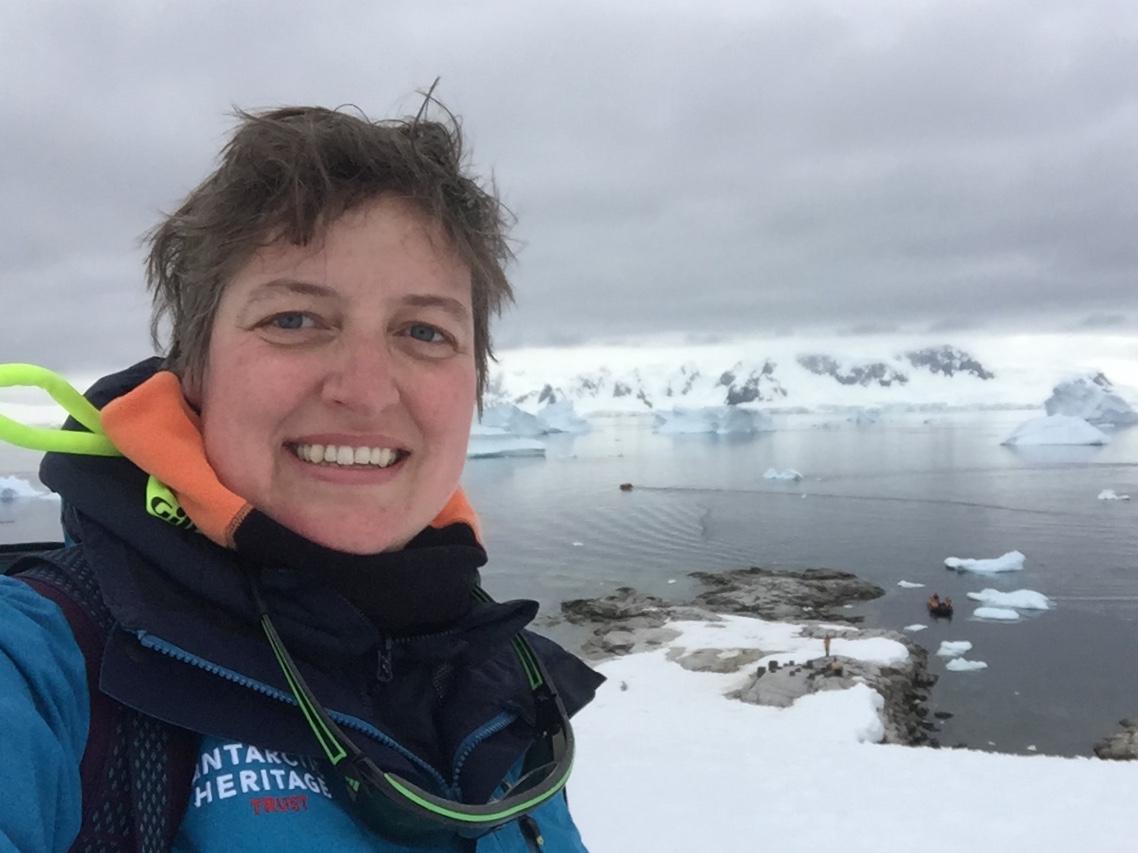 Camilla Nichol is the Chief Executive of the UK Antarctic Heritage Trust (UKAHT), based in Cambridge in the UK. UKAHT is a not-for-profit charity responsible for the preservation of historic sites on the Antarctic Peninsula and delivering a public programme to engage and inspire people with stories of human endeavour in Antarctica. As Chief Executive she is responsible for running the charity, leading a team to deliver the Antarctic operations; a seasonal operation at Port Lockroy and the ongoing heritage conservation programme, to deliver a range of public-facing activities to reach more people with this heritage and to engage them with Antarctica more widely – these could be museum exhibitions, artist events, talks and lectures, theatre performances, the list is endless. Another important aspect of her role is in championing Antarctic heritage in the wider context of Antarctica, in the heritage and cultural sectors and in advising policy-makers on matters concerned with heritage in Antarctica. Originally Camilla trained as a geologist at the University of Edinburgh before then pursuing postgraduate study in Museum Studies, collecting qualifications in gemmology and museum studies along the way.
 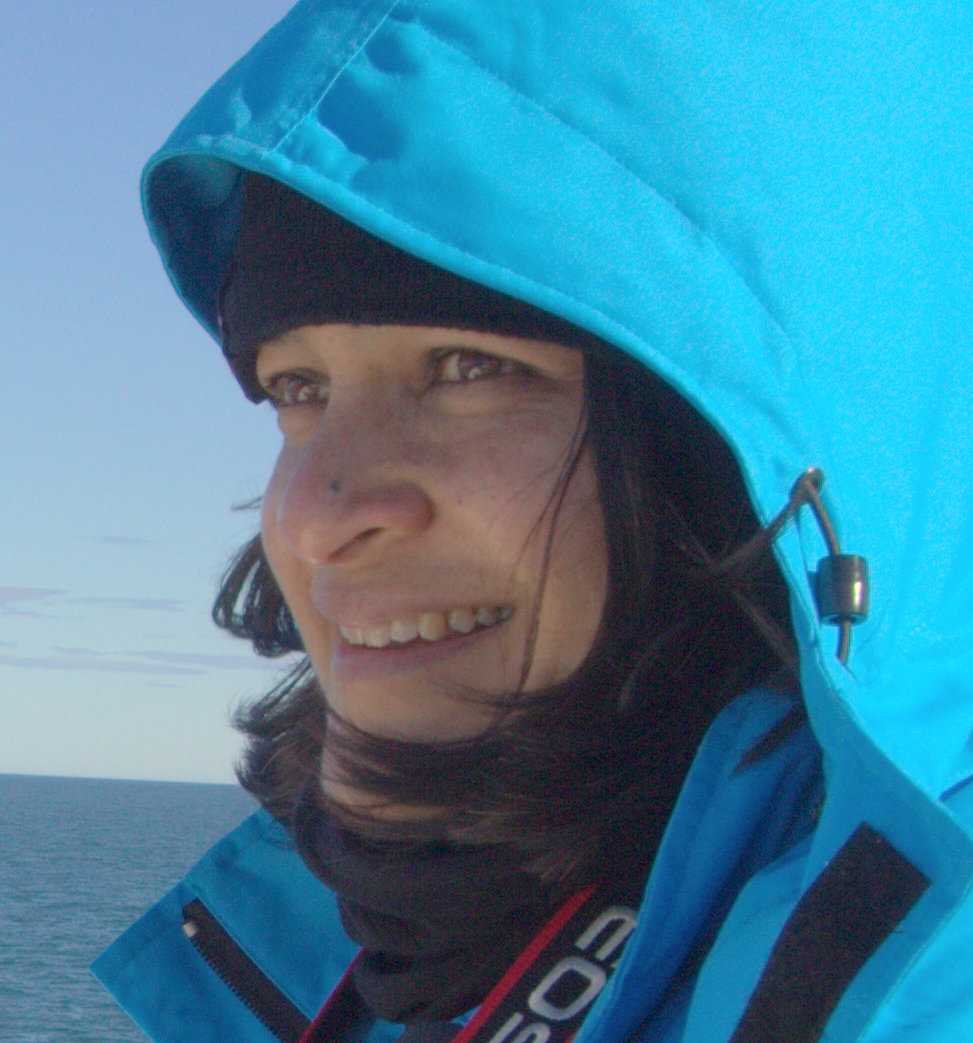 Renuka Badhe currently serves as the Executive Secretary of the European Polar Board (EPB), based in the Netherlands, where her role is to guide and implement the EPB’s vision and objectives, oversee communications, and represent EPB at international fora. She holds a PhD on Southern Ocean phytoplankton physiology, and other degrees in environmental sciences, economics and public policy. Renuka has previously worked with organisations such as the Scientific Committee on Antarctic Research (SCAR), the International Union for the Conservation of Nature (IUCN), and the University of Cambridge. She is an advocate for diversity (both gender and geographical) in academia. She is interested in promoting polar research to wide audiences using a variety of traditional and non-traditional communication tools. Renuka has experience with various aspects of polar science, policy and strategy development and the interfaces between them form her principle area of interest. She has been awarded the 2017 APECS International Mentorship Award.
 Gwénaëlle Hamon is the Executive Officer of the World Climate Research Programme’s (
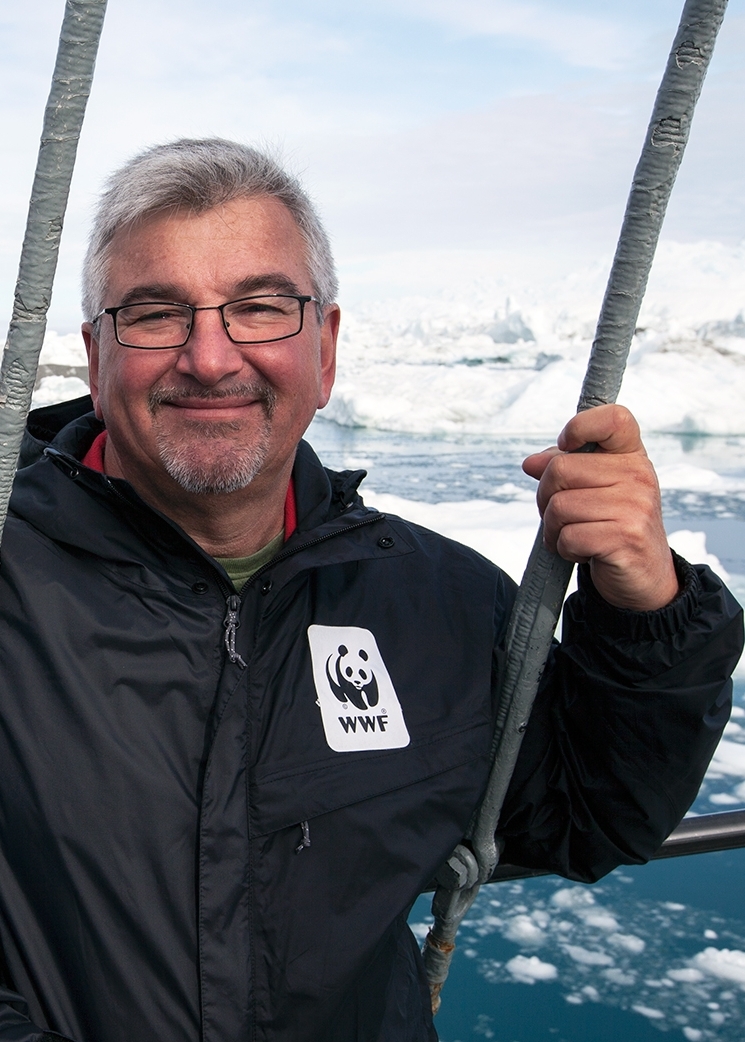 Clive Tesar is an educator and contractor in Arctic communications and policy. He worked for more than a decade as a journalist, starting in print, then working for the Canadian Broadcasting Corporation as a reporter, host, and editor mostly in the Canadian north.
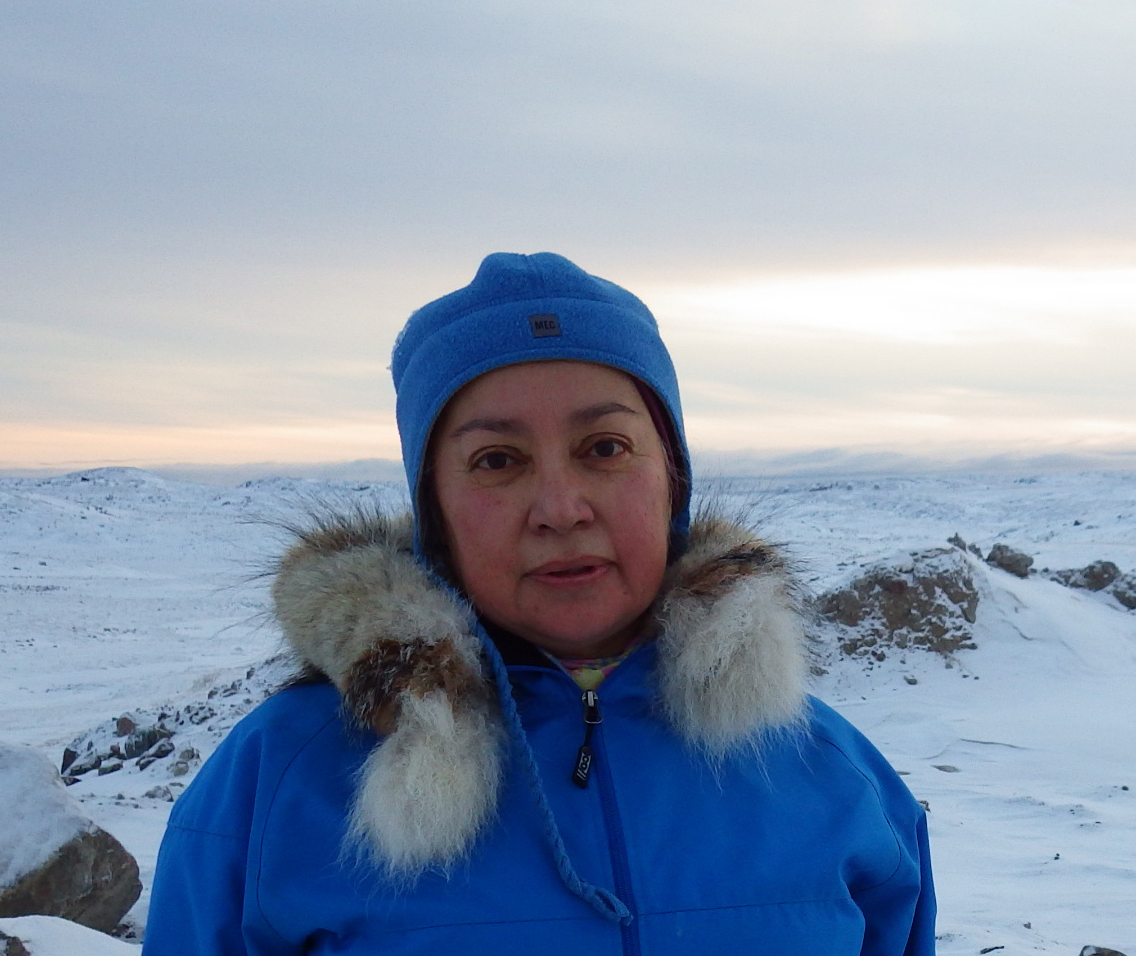 Vicki Sahanatien has lived and worked in the Arctic since the mid-1990s when she moved to Inuvik, Northwest Territories to work in Ivvavik National Park and be the first female Chief Park Warden in Canada. Since that time, she worked in the environmental and wildlife research fields from the Alaska border to Baffin Island and north to Ellesmere Island.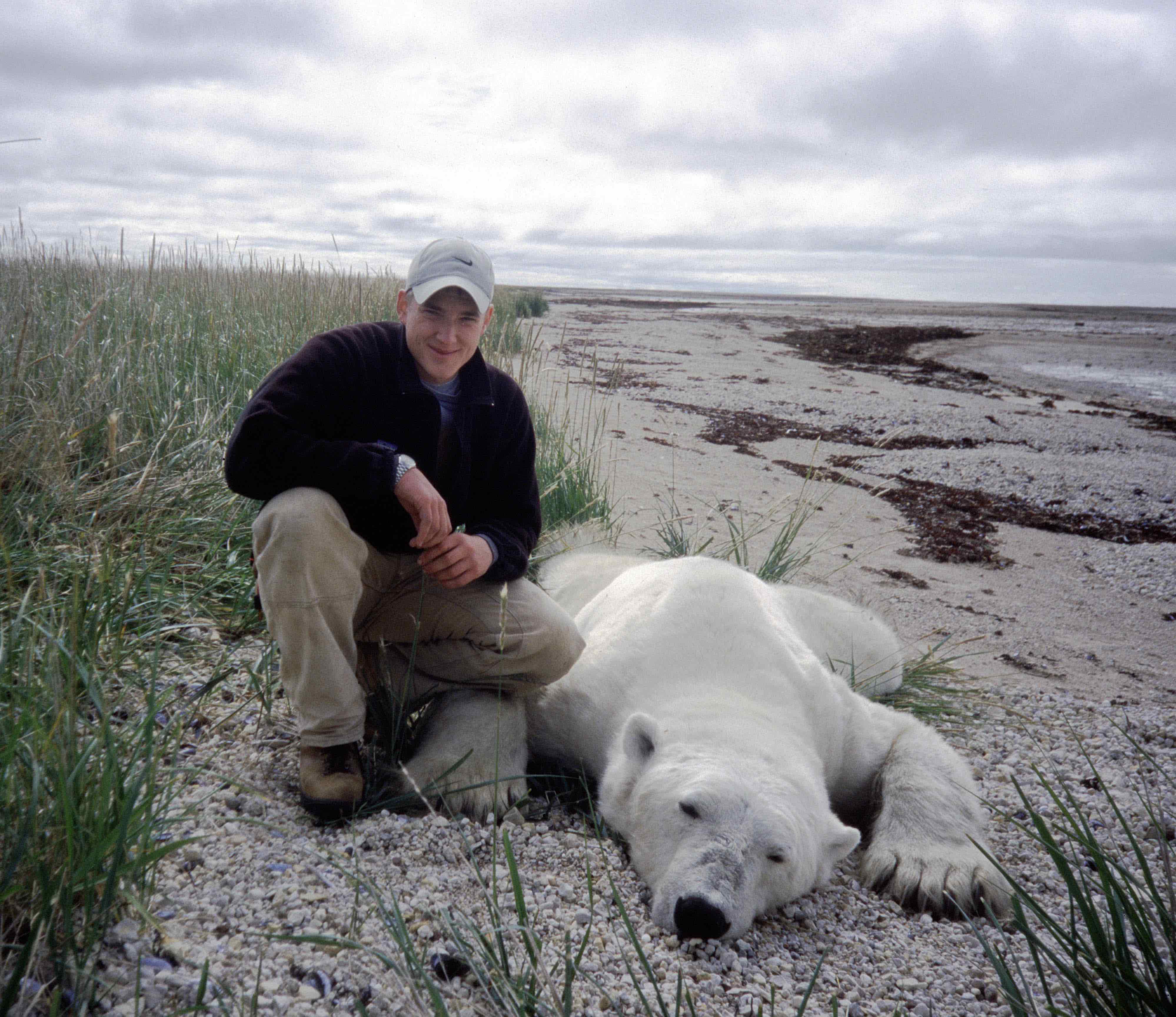
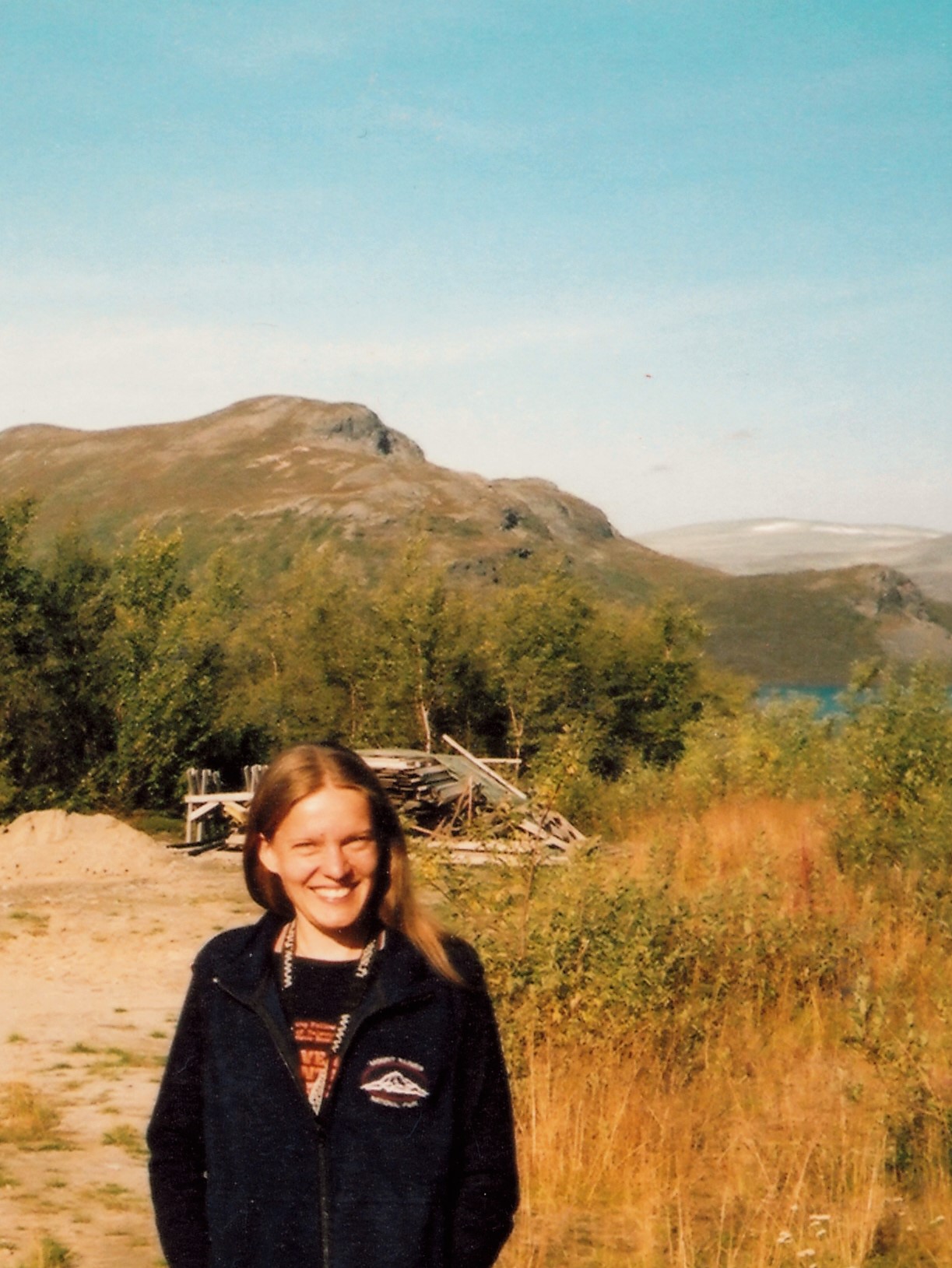 Laura Forsström is a Science Adviser in the Biosciences and Environment Research Unit at the Academy of Finland. She has a Ph.D. in hydrobiology from the University of Helsinki (2007) and worked as a post-doctoral researcher during 2007-2013, focusing on carbon flux and the role of organic matter in arctic freshwater ecosystems. Her field work covered Finnish Lapland, Komi Region in Russia, NE Greenland and Northern Quebec, Canada. She has also worked as a Senior Officer at Centre for Economic Development, Transport and the Environment, Uusimaa, Finland, and as a Conservation Officer at WWF.
 Lawrence Hislop is from Montreal, Canada and has more than ten years of international experience leading UN and EU funded projects, and has produced many environmental assessments and related communications products. From 2009-2014, Lawrence led the Polar and Cryosphere programme at GRID-Arendal in Norway and collaborated on projects with the Arctic Council, University of the Arctic and UNEP-linked activities in Polar and mountain regions. He was also on the management team of the Himalayan Climate Adaptation Programme (HICAP) from 2011 - 2014 and initiated long-term research on environmental impacts in Nepal, India, Pakistan and China.