I am Sarah Mercer, a Research Masters student in Geography and Archaeology at Durham University, UK. I have been lucky enough to have worked with USAPECS Board Member Mariama Dryak on an event in 2017 titled Changes in the Arctic, a climate change outreach event at Durham University. This directly led to me organising the event that I am running this year entitled Footprint. Footprint is a two day event, aiming to bring people from all walks of life together to talk about environmental protection and climate change communication.
My own interest lies in the communication of climate science, so that is what I will focus on in this article. In my own experience, I get the feeling that climate change communication is often extremist, problem loaded and overwhelmingly negative, with ideas such as “it’s too late” or “we can't do enough” thrown around more often than not. While I understand this comes from a desire to highlight the importance of climate change, I believe the common ‘Doomsday’ rhetoric is damaging to our attitudes towards climate change, and fosters an attitude of willful ignorance and laissez-faire. Per Espen Stoknes states that “If you overuse fear-inducing imagery, what you get is fear and guilt, and this makes people more passive”. Being faced with an ‘insurmountable problem’ causes people to become disheartened, disengaged and disinterested. However, this is not the only way climate change, and indeed other scientific issues, have to be talked about.
Read more ...

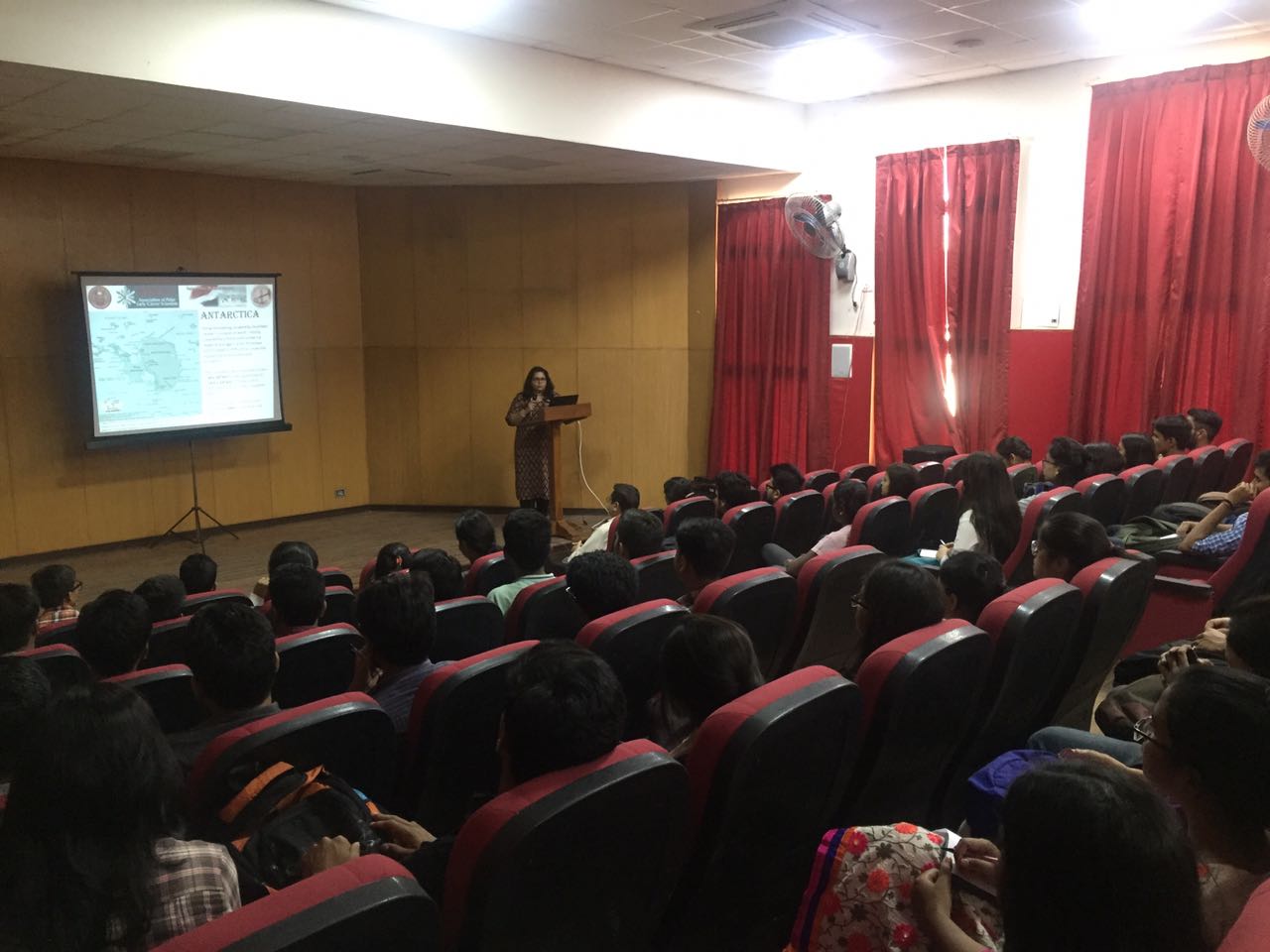
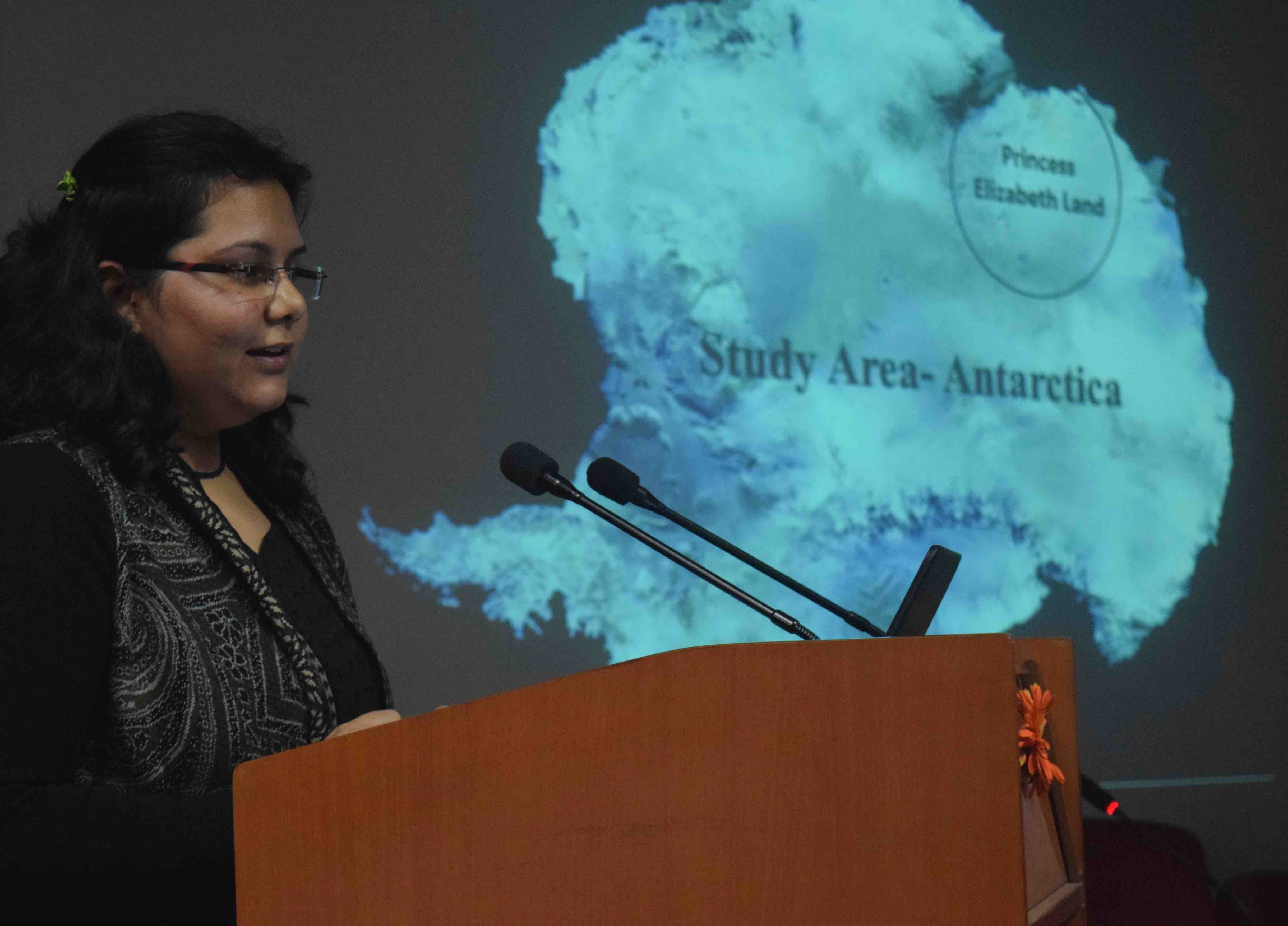 A panel discussion titled “Shape the future of Polar Geosciences” was organised by Indian Polar Research Network (APECS-India) in association with Department of Geology, University of Delhi on 28th January 2017 on the special occasion of Golden Jubilee Celebrations of the department. The event was held to introduce polar geosciences to the undergraduate students and enhance knowledge of the postgraduate students. This panel discussion aimed at creating awareness among the students regarding the career opportunities in polar geosciences, the priorities of the polar research and their significance in the contributions to humanity.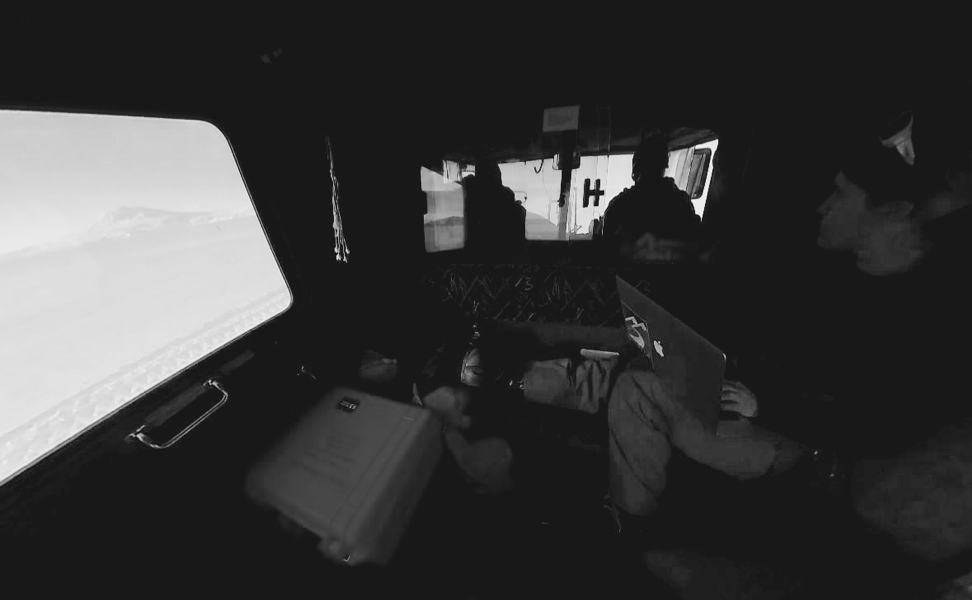
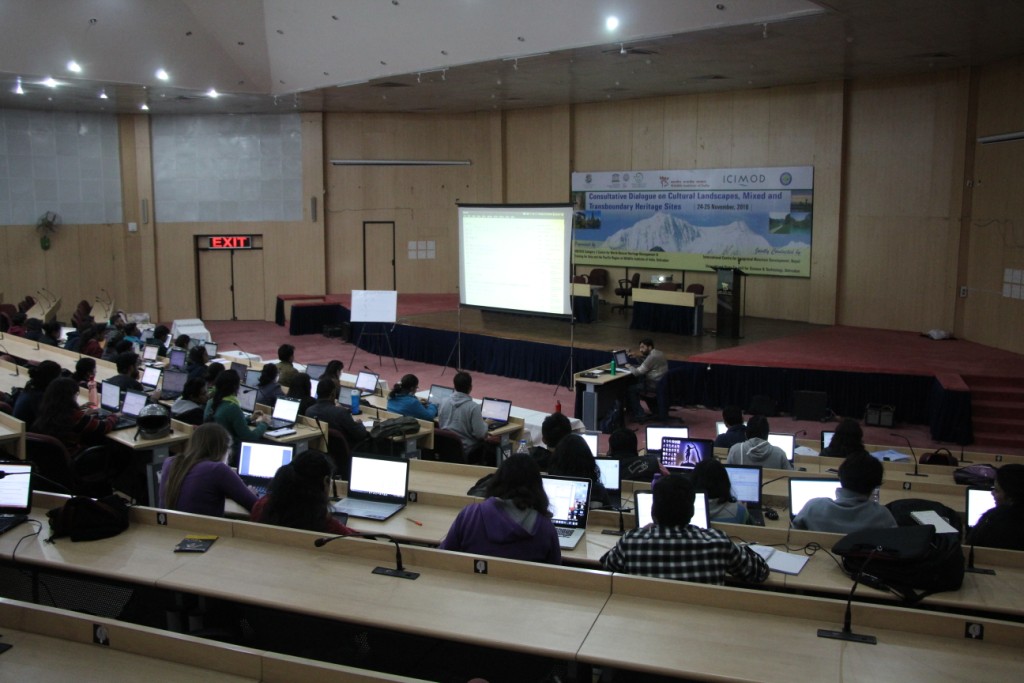

 For International Polar Week in the Yukon Territory, APECS Canada collaborated with Skookum Jim Friendship Centre to host ‘Academics, Research and Jobs in the North: Perspectives from Early-Career Scientists’. We had a panel of four northern early-career researchers who spoke at two events, one at Yukon College and one at Skookum Jim Friendship Centre, to a broad audience of students, teachers and interested members of the public on what it is like to work in science-related careers in Canada’s North. Many interesting points and perspectives came up, so as one of the organizers and panellists I will try to share and write up highlights from the panel discussion.