-
Gesche Blume-Werry - Sweden
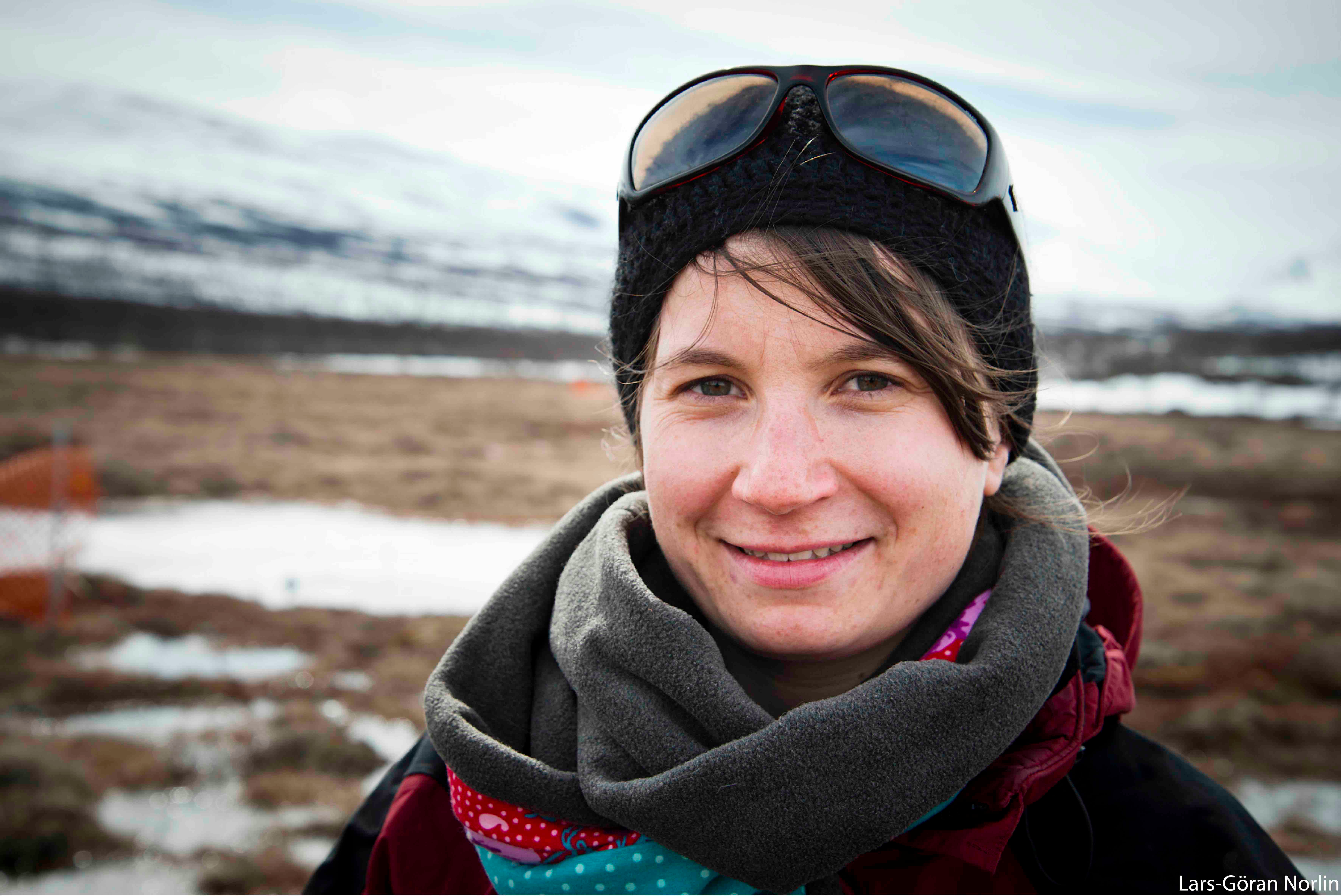
Umeå University, Sweden
APECS Council Member 2016-2017
I studied Landscape Ecology (BSc) and Global Change Ecology (MSc) in Germany, but then moved to northern Scandinavia for my PhD. Since five years, I have now been living north of the Arctic Circle and am enjoying it thoroughly! I have just started a PostDoc in which, similar to my PhD work, I am working on tundra plants. Most of the plant biomass in arctic tundra is located belowground, and plant roots are key players in many ecosystem processes. Nevertheless, we know surprisingly little about them which is why my research focuses on belowground plant processes in subarctic and arctic areas.
-
Julie Bull - Canada
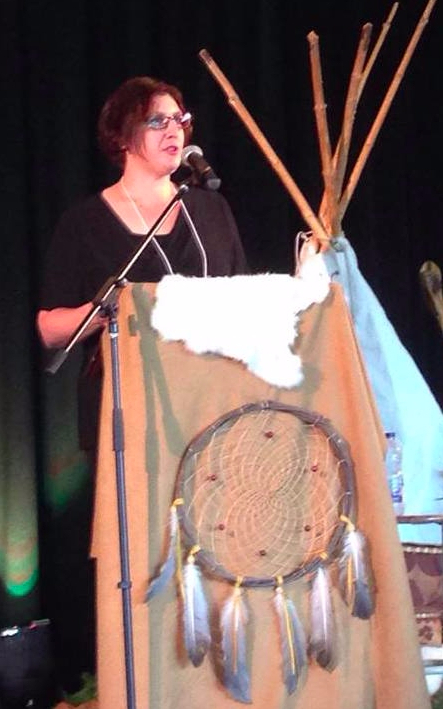
University of Victoria, Canada
APECS Council Members 2016-2017
I am an award winning researcher of mixed Inuit descent with 15 years of experience working in research involving Indigenous people (in Arctic and non-Arctic contexts). My own research focuses on the governance of research/research ethics for research involving Indigenous people using community-based participatory-action approaches and Indigenous methodologies. I also work in a variety of projects at the intersection of research, policy, and Indigenous community development. I currently teach in the School of Public Health and Social Policy at the University of Victoria and in the Indigenous Studies Department at the University of Toronto and am an invited lecturer and speaker at many events around the world. I also facilitate training sessions at the Canada School of Public Service and am a mentor in the Indigenous Women in Community Leadership at the Coady International Institute at St. Frances Xavier University. I am dedicated to ensuring more Indigenous content, education, engagement, and collaboration between Indigenous people in the Arctic, researchers, and policy makers.
-
Marta Bystrowska - Poland
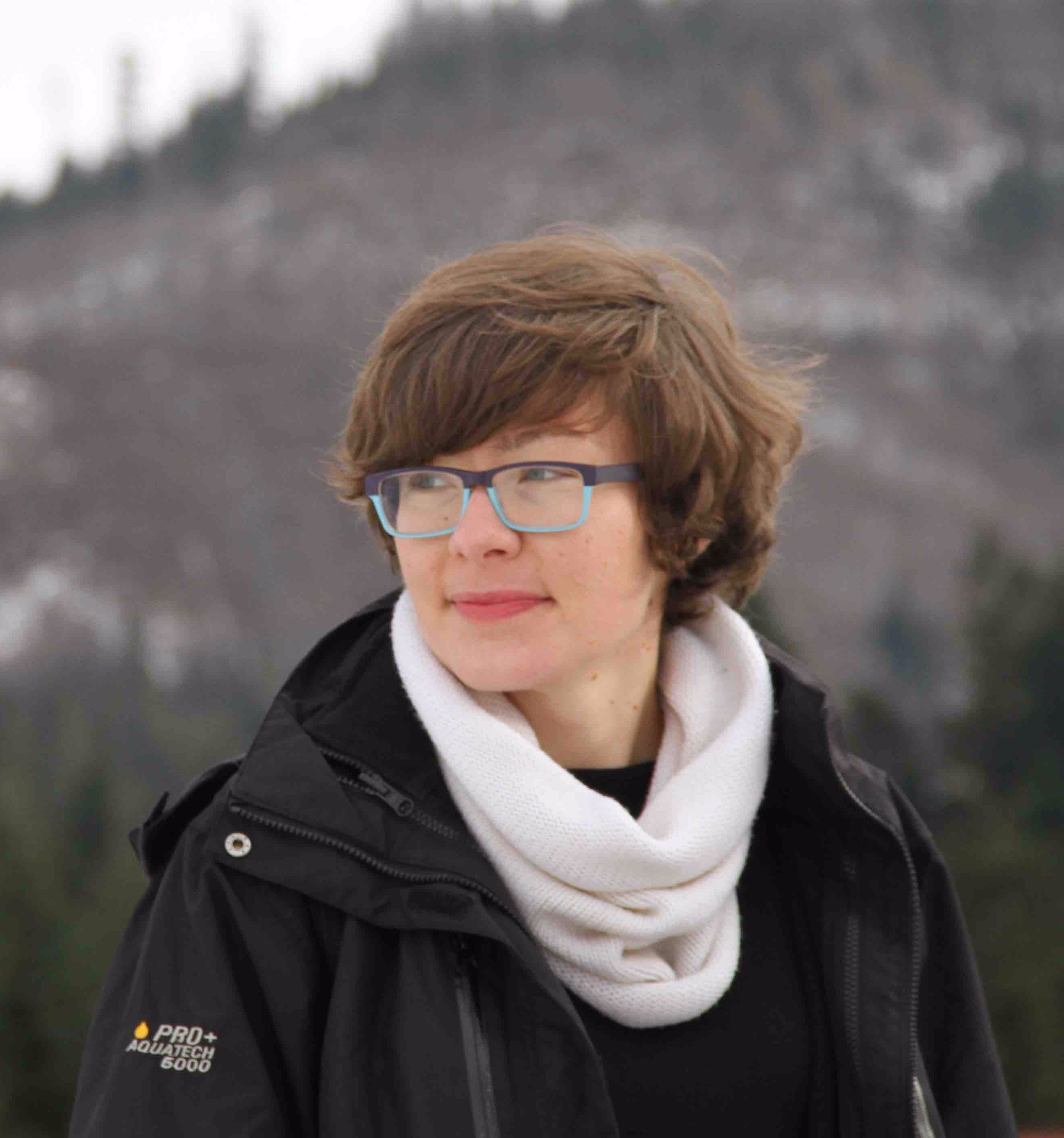
University of Silesia, Poland
APECS Council Member 2016-2017
Representing APECS Poland on the APECS Council
In my phd research I deal with expedition cruise tourism development in the Arctic and investigate impact of various stakeholders and their interactions in adaptation to climate change influencing cruising activities. I have an academic background in human geography and regional development. Issues of local and economic development in the Arctic, as well as tourism space development are my main research interests. I apply qualitative methods and social network analysis to better understand human impact on space and natural environment of the Arctic.
-
Caroline Geisert - France
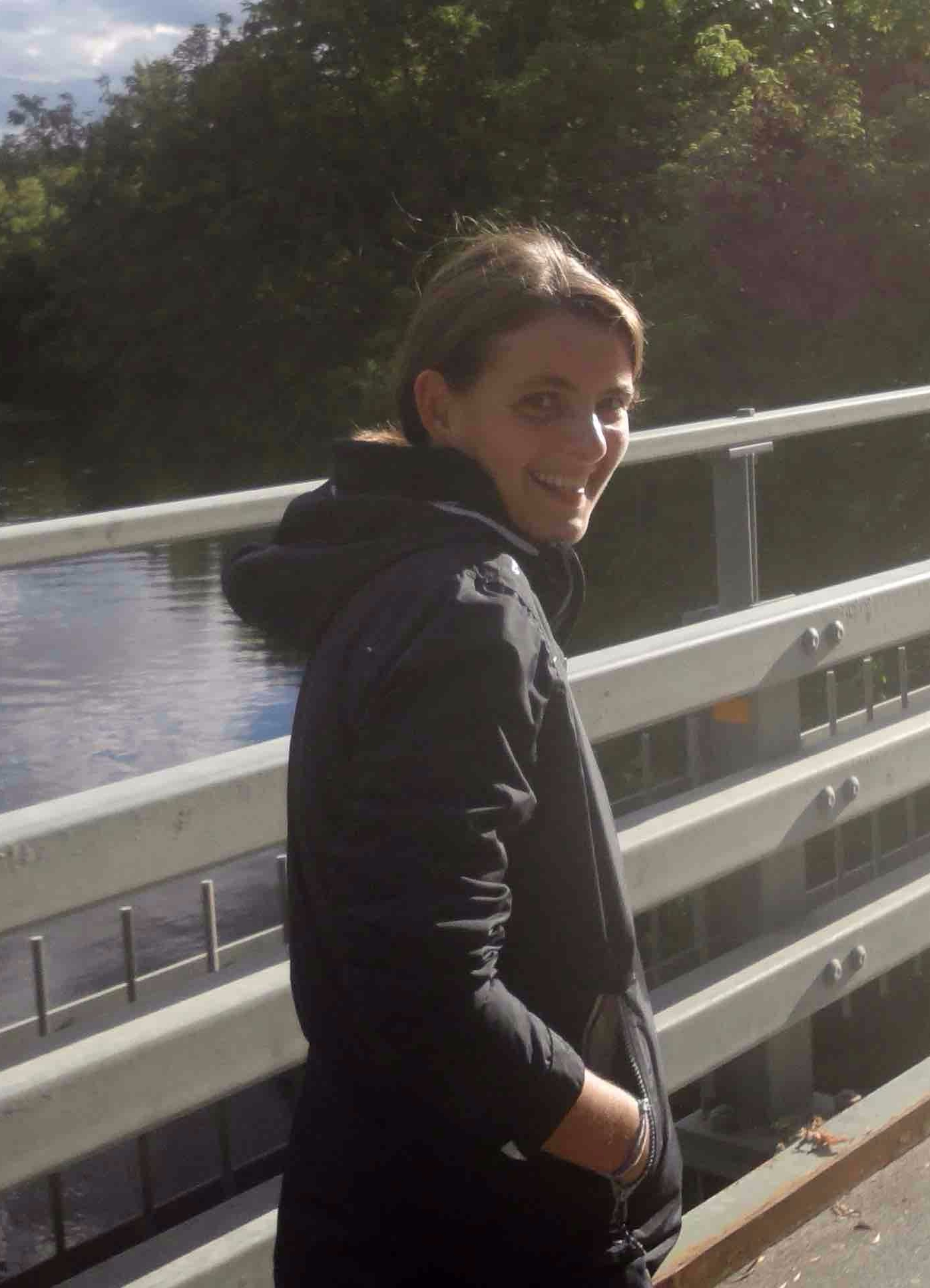
ENSTA Bretagne, France
APECS Council Member 2016-2017
I am currently an MSc student in hydrography and marine geophysics. After a BSc in physics (2014), I decided to specialize in oceanography and hydrography as I have always had a passion for the ocean. I truly enjoy working in the field and on various scientific projects. In the summer of 2016, I worked for 2 months at the Alfred Wegener Institute in Germany on the circulation of freshwater in the Arctic. This project gave me an overview of the work in a polar institute and a first approach to people working in that field. This internship confirmed my passion for oceanography and broadened my interest and knowledge about polar regions. Besides my academic life, I am a sailing instructor and a first aid volunteer ; these challenging activities have always given me new opportunities and strong friendships.
-
Gerlis Fugmann - Norway - ex-officio
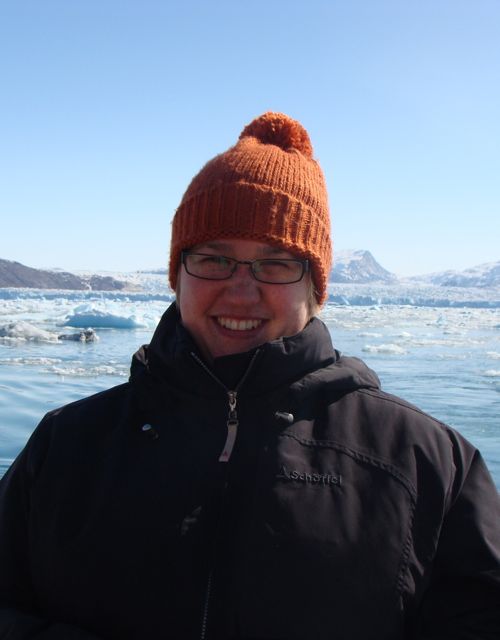
APECS Executive Director
Gerlis has been actively involved in the APECS leadership for several years and assumed the position of APECS Executive Director at UiT The Arctic University of Norway (Norway) on 1 October 2013 leading the APECS International Directorate. She completed her PhD in Geography at the Justus Liebig University Giessen in Germany in 2011 and worked afterwards for two years as a post-doctoral researcher at the International Centre for Northern Governance and Development (ICNGD) at the University of Saskatchewan in Canada. Her research focused on projects in the Canadian Arctic and Sub-Arctic as well as Northern Scandinavia, addressing questions of comparative economic deveopment, entrepreneurship, tourism, resource development and Northern engagement and participation in innovation and the knowledge economy.
Throughout her involvement in APECS, Gerlis has contributed significantly to the organization working with numerous APECS members and partners and helping to shape and manage many of the projects, events and resources made available through APECS. Between 2009 and 2011 she served as an Executive Committee member and afterwards continued to mentor and advise the Executive Committee in an ex-officio role. Gerlis also served as the elected APECS President during the 2009 – 2010 term. She has a great interest and appreciation for the polar regions and polar research and very much enjoys collaborating with researchers from around the world. Gerlis is a strong advocate of early career scientist participation, recognizing the importance of networking, professional development, and extra-curricular training in the polar and cryosphere communities.