Council Chairs
-
Serafima Andreeva - Norway

Fridtjof Nansen Institute, Norway
Hei! My name is Serafima, and I’m a researcher at the Fridtjof Nansen Institute (FNI) in Norway, where I work with examining the interface between science and policy in the Arctic. My Arctic engagement began during my master’s studies in sociology at the Norwegian Institute of Science and Technology (NTNU), where I explored the impact of climate science on Russian Arctic politics. At FNI, I’ve conducted and published research on various topics related to Arctic policy, including the political drivers behind the Arctic scientific agenda, the influence of climate science on the development of nuclear icebreakers, and the evolving state of the Arctic Council post-2022. I am passionate about sharing research findings and delving into all things sociology and geopolitics. Outside of my academic pursuits, I enjoy creating and producing music, hiking in the mountains, swimming, longboarding, art, and always picking up new hobbies.
-
Yueyi Che - USA
Yueyi Che is a graduate student at Stanford University in the Doerr School of Sustainability. Yueyi received her Bachelor of Arts from the University of California, Berkeley in Geology with a Climate Science minor. Yueyi is an aspiring glaciologist. During her time at Berkeley, Yueyi spent two months in the field at the Juneau Icefield Research Program in Alaska. She designed her honor thesis on the Last Glacial Maximum deglaciation history in Yosemite National Park. At Stanford, Yueyi conducted fieldwork around glaciers in Mt.Hood, Oregon, and on a Lindblad Expedition – National Geographic cruise to the Antarctica Peninsula. She recently participated in the International Summer School in Glaciology in McCarthy Alaska, where she furthered her skills in glacier modeling and data analysis. For her future career, Yueyi hopes to become a professor researching glacier mass change to aid world leaders in adapting to global warming. Yueyi has always been enthusiastic about serving her community. Yueyi has served three years in the Chair team of Student Advisory Council and two years as the student representative of International and Education Committee of Geological Society of America (GSA). Yueyi has also served two years as the student representative in American Geophysical Union (AGU) Cryosphere Section where she spearheaded the effort of establishing a travel grant for students and early career professionals from underrepresented groups. Yueyi aspires to be an ally and advocate for cryosphere students from traditionally marginalized groups and uplift their career through initiating systemic changes in academia. She is so excited to be a part of APECS and give back to the polar early career professionals. In her free time, Yueyi enjoys sketching portraits for her friends, creating music, and explore nature. Stanford University, USA
-
Åste Kristine Ullring Holtan - Norway
Hei! I'm Åste, a PhD fellow at the Oslo School of Architecture and Design. My research dives into the fascinating world of Winter Cities, exploring microclimates, winter culture, building construction, and urban planning. Around 4 million people call the Arctic home today, and there’s much to uncover about how these settlements have developed. My goal is to enrich the post-colonial discourse on the Arctic by highlighting diverse narratives about winter and urban life, focusing on how winter design has shaped the built environment. Growing up in Norway's alpine region, I fell in love with snow and winter, appreciating how winter 'know-how' is woven into our cultural practices. I also have hands-on experience working with urban development in an alpine mountain village. Thus, I believe knowledge about the interplay between winter and built environments is relevant not only to the Arctic but also to Alpine regions. My background intersects Architecture, Climate, Innovation, and Society. Before starting my PhD, I earned a Master's degree in Architecture and Extreme Environments, a program designed to tackle global challenges through research by design, site-specific strategies, and active fieldwork in remote locations. My thesis project in the Faroe Islands earned me the SINTEF master scholarship for my design of a biodegradable wind harvester. Another project took me to Chile’s alpine regions, where I designed a flood park and water reservoir. In my spare time, you'll find me training for marathons, skiing, gardening, and cooking. I discovered APECS at the Arctic Congress in Bodø in 2024, and I'm eager to join the APECS Council to build a network spanning the Alpine and Polar regions. It would be an immense honor to engage with such a diverse and fascinating group of individuals and professionals across disciplines. Oslo School of Architecture and Design, Norway
National Committee Coordinators
-
Alice Guzzi - Italy
 University of Genoa, Italy
My research background is primarily centered on conservation and biodiversity of marine invertebrates, showcasing a diverse array of expertise in this field. I specialize in the application of DNA barcoding and reverse taxonomy on Antarctic Echinoderms. This effort has led to the revision and establishment, where previously absent, of the checklist for Terra Nova Bay Echinoderms. Currently, my research endeavors are concentrated on employing non-destructive methodologies, particularly focusing on photogrammetric techniques. These methodologies are pivotal in establishing referenced baseline and long-term monitoring systems for Antarctic benthos.
-
David Touchette - Switzerland
 École Polytechnique Fédérale de Lausanne (EPFL), Switzerland
I’m a PhD student in the RIVER laboratory at EPFL. I am primarily interested in understanding how the microorganisms inhabiting extreme environments, such as the cryosphere, adapt to changing conditions. Through my research projects, I had the chance to characterise the microbial communities from many cold environments, such as permafrost, snow and glaciers. My current work aims to understand how biofilms in glacier-fed alpine streams adapt to climate changes, and to predict the microbial composition in these streams based on fluctuating thermal and hydrological regimes. As part of APECS, I hope to increase collaboration and networking between the Polar and Alpine ECR!
-
Tran-Vu La - Luxembourg
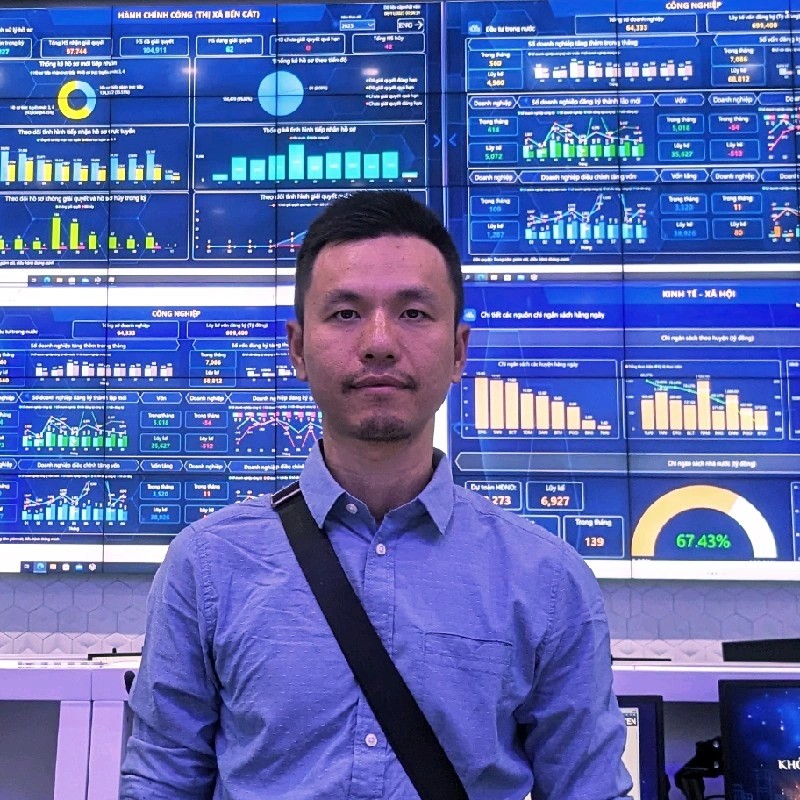 Luxembourg Institute of Science and Technology (LIST), Luxembourg
Over the last ten years, I have worked on many R&D projects sponsored by public institutions such as European Space Agency (ESA), Luxembourg National Research Fund (FNR), and French Direction Générale de l'Armement (DGA), as well as by private companies such as TOTAL Energies. These projects focused on the application of remote sensing, satellite imagery, and geospatial data to many fields of Earth Observation (EO), including oceanography, meteorology, maritime security, and land-use monitoring (crop mapping, coastline change detection). The experiences in these projects enable me to gain insight into the advantages and inconveniences of remote sensing and satellite technology for EO. For instance, Synthetic Aperture Radar (SAR) sensors can acquire data in most weather conditions and at nighttime. They can also offer images with a high spatial resolution and wide swath. These SAR advantages are indispensable for oceanography/maritime applications, including oil spill and ship detection, sea surface wind and current estimation, sea-ice classification, wave parameter retrieval, etc. The optical and visible/near-infrared sensors are strongly impacted by clouds; however, they can offer much information that cannot be obtained from SAR, for instance, sea surface temperature, salinity, and chlorophyll. As an R&T Associate at the Luxembourg Institute of Science and Technology (LIST), I am currently engaged in an R&D initiative funded by FNR to develop advanced algorithms capable of autonomously identifying oil spills and vessels across a range of satellite imagery types (SAR, optical, and visible/near-infrared data). To enhance our analysis, we leverage additional oceanic data provided by the Copernicus Marine Service since the supplementary variables (sea surface wind, current, and chlorophyll) play a crucial role in distinguishing oil slicks from natural phenomena such as algae and seaweed, as well as in monitoring the short- and long-term drift patterns of oil spills.
Social Media Coordinators
-
-
Shradha Agarwal - Australia
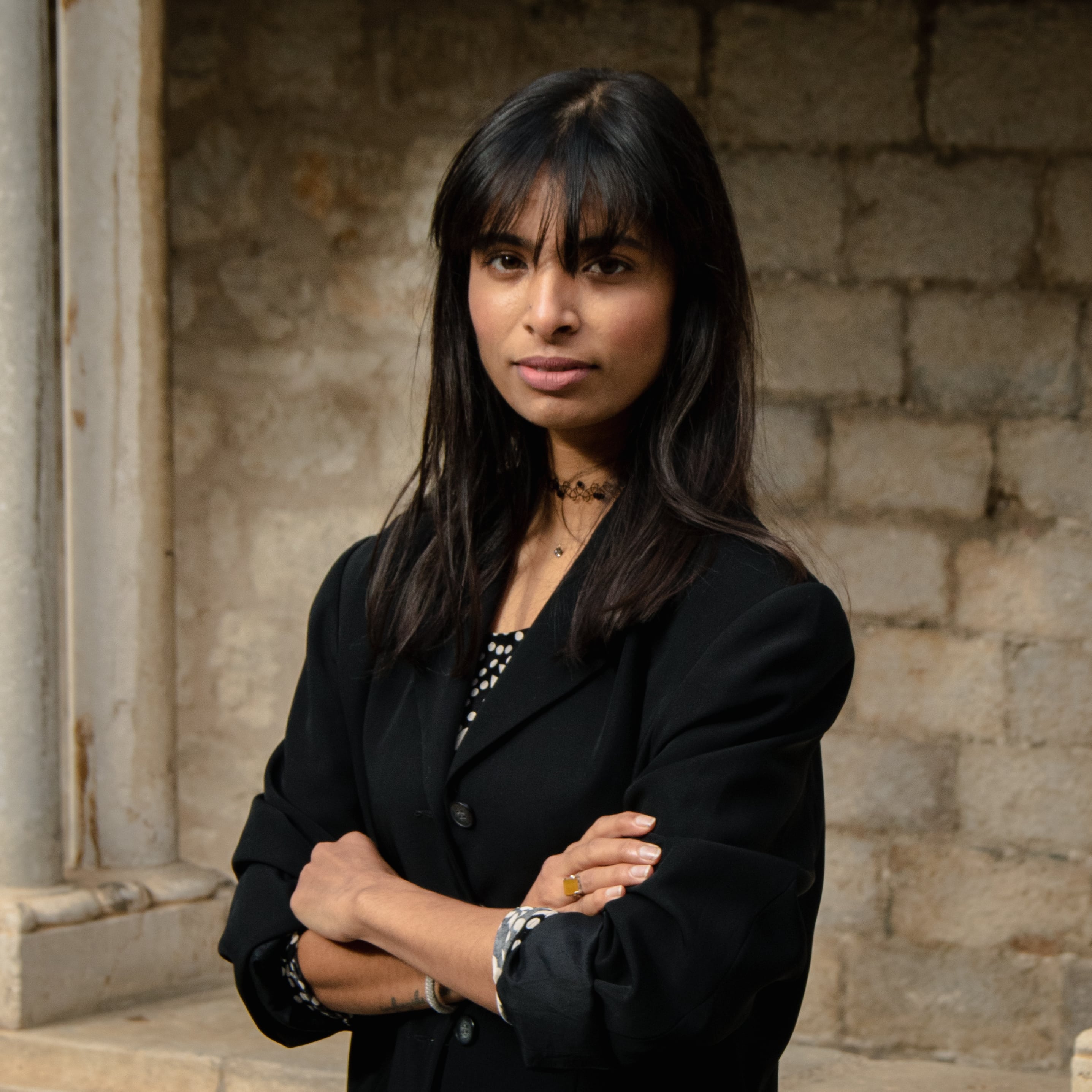 University of Tasmania, Australia
My name is Shradha Agarwal. I am a PhD researcher intrigued by the multifaceted aspects of polar environments. My current research at the University of Tasmania focuses on investigating factors that can help enhance pro-environmental behaviour in Antarctic tourists. My fascination with polar environments started during my Tourism Master's, where as part of my master's thesis, I explored what role Citizen Science programs onboard expedition cruise ships play in fostering pro-environmental behaviour in Arctic tourists. Besides, polar research, I also enjoy marketing and technology and I try to stay up-to-date with the global digital and communication trends as I believe that technology will have a huge role to play in resolving the challenges of our contemporary world.
-
Dan Grafton - USA
 University of California, Santa Barbara
 I am a PhD student in the joint doctoral program in Geography between the University of California, Santa Barbara and San Diego State University. My research focuses on Arctic tourism and the part climate change plays in shaping tourist experiences. I most recently served as a Social Media Coordinator (23-24) on the APECS Council taking the lead on the LinkedIn account. In the past, I served as the lead for the USAPECS social media task group (22-23). I enjoy connecting with other polar researchers through online platforms and helping to foster an ECS community. Alongside my research interests, I am a proud father to two little boys and enjoy gaming.
-
Yuqing (Gracie) Luo - China
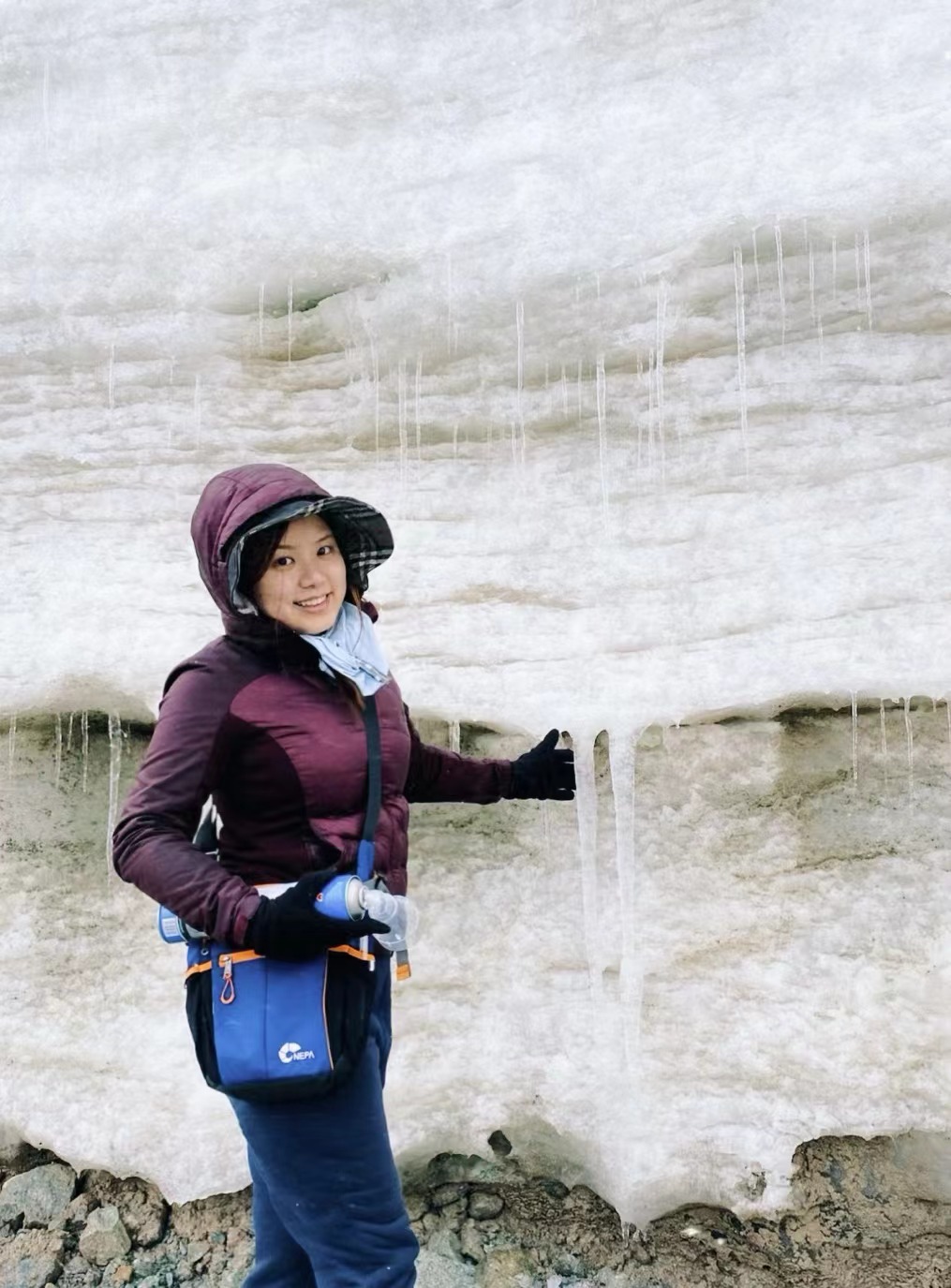 Institute of Tibetan Plateau Research, China
Nihao! From the rooftop of the world (altitude-wise)! My name is Gracie Luo. I've completed my master's degree at the Institute of Tibetan Plateau Research, Chinese Academy of Sciences. And In the coming year, I will be working at UNESCO, contributing to the International Year for Glacier Preservation 2025. My research focus on ice core dating, using algorithm-assisted methods to enhance the accuracy of ice core chronologies. I applied layer identification algorithms to a dataset of Tibetan ice core proxies for comparison and synchronization. This project can take me to mountains over 5000 meters high and into storage at -20 degrees Celsius, where the joy of discovery meets the harshness of nature. Participating in the APECS International Online Conference Project Group has given me the opportunity to collaborate with colleagues from around the world, building a supportive network and enhancing our collective impact on polar research. When not braving fieldwork or lab work, I enjoy traveling through the vast landscapes of East Asia, practicing photography, and on quieter days, getting lost in the pages of a good book.
Representative Coordinators
-
Shane Coyle - USA
 Virginia Tech, USA
Howdy! I’m Shane Coyle, a postdoctoral associate and recent PhD graduate from Virginia Tech. My research focuses on observations of the near-Earth space environment from the polar regions, especially through magnetic and radio sensing methods. Much of my recent work has focused on atmospheric dynamics associated with solar eclipses and how they can impact coupling between the ionosphere and the magnetosphere. I was lucky enough to visit the Antarctic during the 2021 eclipse, and I’ve been an advocate of polar/space science ever since!
-
Lina Madaj - The Netherlands
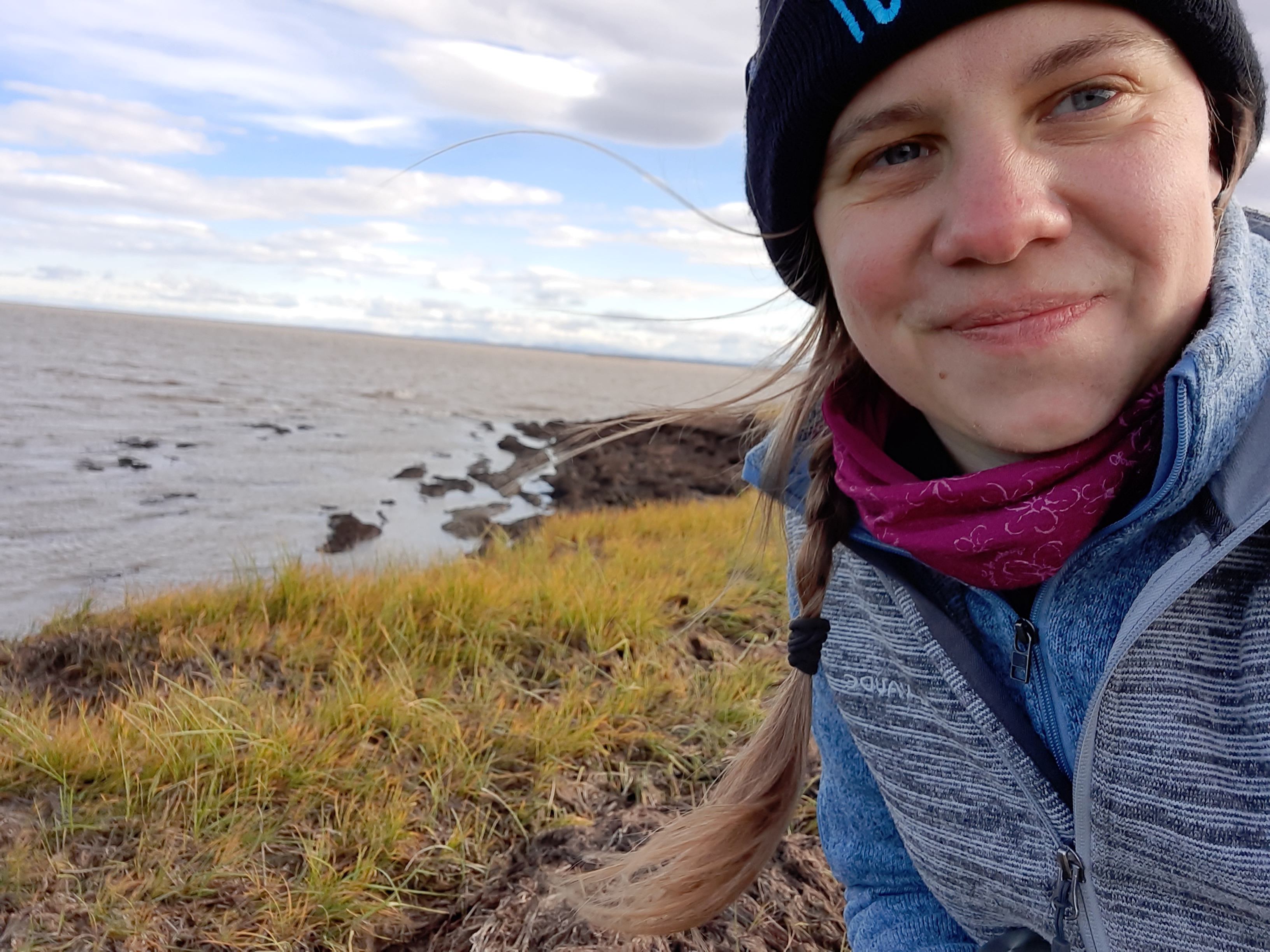 Vrije Universiteit Amsterdam, The Netherlands
I am originally from Bremen, northern Germany, where I also did my PhD on the topic of past ice-sheet dynamics in western Greenland based on isotope geochemistry. I analysed radiogenic isotopes in marine sediments in order to trace detrital sediment fluxes through meltwater discharge from the Greenland Ice Sheet into Baffin Bay. After my PhD I added some organic geochemistry to my inorganic geochemistry expertise by doing a postdoc at the Vrije Universiteit Amsterdam. Here I am working on the fate and transport of organic carbon into the Arctic Ocean from thawing permafrost, mainly in the Canadian Beaufort Sea. As so many of us I also couldn't help falling in love with the beautiful and unique environment of the Arctic which happened for me during a research cruise that I attended while doing my master degree in Gothenburg, Sweden. Since that summer in 2015 I wanted to contribute my part to polar research and science communication to help protect and raise awareness about the delicate and rapidly changing Arctic realm. During the past years I have been involved in different outreach and science communication projects, including being part of the APECS social media team - because communicating the science is, to me, as important as the science itself. Besides being involved in APECS for the past four terms in different roles (project group leader, social media coordinator, ExCom member) I am also actively part of the European Geoscience Union (EGU) early career network within the cryosphere division by currently holding the position of one of the chief-editors of the EGU cryosphere blog.