The application period for the 2025-2026 APECS Executive Committee has closed. You can find all applicants listed below (in alphabetical order by last name). In addition to the statements below, you can view each candidate's short video (≤ 2 minutes) here.
-
Anastasia Deyko - Peru
 Bionote: After a decade of research in the Barents and Lapland regions, my experience with Indigenous North has profoundly reshaped my multicultural perspective. This journey can be summed up as “So close, yet so far.” “So close” reflects my observation of the life philosophy shared by those living beyond the polar circles—coexisting with and adapting to nature, enduring the harsh winters, and making the most of every moment during the short summers. These shared experiences are the gentle unifying threads among people from the Polar regions, rooted in ancient knowledge that transcends language, borders, and rapid climate and political changes. My core interest lies in uniting scientists and enthusiasts across various fields of study. By “So far,” I refer not only to the sparse population density and vast, often inaccessible territories with limited transportation but also, more significantly, to the bureaucratic, economic, and political barriers that have eroded the centuries-old network of human values. Monitoring international activity in the Polar regions, I see substantial potential for collaboration and achieving a synergy between government institutions, independent scientists, and volunteer initiatives. My goal is to bridge the gaps and identify more common ground between cultural, political, and social studies in these territories. I aim to build stronger connections between established scientific institutions and emerging initiatives. Having devoted five years to the APECS Council and Executive positions, I'm eager to share my experience in social studies with early-career researchers, international organizations, and educational institutions.
Why are you interested in APECS and joining our Executive Committee?
As a member of the APECS ExCom team, I've greatly enjoyed the collaborative and structured approach to our work. The organization's efficient processes have helped me grow professionally, particularly in administrative and communication skills. I'm honored to contribute to such a respected organization in the Polar community.
Please describe in more detail how you have been previously involved in the APECS leadership (e.g. Executive Committee, Council, NC leadership)?
Member and active contributor on the APECS related conferences for 1 year, APECS Art Project group leader for 2 terms, Social Media coordinator 2 terms, Vice President 1 term. As APECS Art PG leader (2021-22), I coordinated tasks among PG members to track international cultural institutions and art movements. We created online archives as a resource to visualize climate change, accessible to diverse audiences regardless of age, nationality, or geographical location. Records of our activities, including monthly seminars, contributions, and newsletter posts, are available in the archives. As Council Executive in APECS and previously as Project Group (PG) leader, my responsibilities included collaborating with partner organizations and representing APECS in various networks. I fostered a network of polar researchers across disciplines and international borders, facilitating opportunities for collaboration, idea-sharing, and development of new research directions. I promoted career development opportunities in both traditional and emerging professions related to polar research, emphasizing the importance of education and outreach activities. I proposed new projects, directions, and ideas to the Executive Committee for discussion and implementation within the Project Group. During a period of transition in APECS Directorate and challenges for Project Groups, I ensured that our social media channels remained active with relevant content, updated news, and provided information in response to requests. This not only maintained APECS's global presence but also laid a solid foundation for future terms.
What do you hope to contribute to APECS as an Executive Committee member?
I aim to contribute to enhancing transparency and connectivity among Project Group (PG) leaders, National Committee (NC) leaders, and Council members within APECS. By fostering a more open and collaborative environment, I hope to motivate leaders to share ongoing projects, ideas, and expertise, ultimately driving collective progress. Ideally, I'd like to encourage regular information-sharing during monthly meetings, where leaders can discuss their group's activities, request collaborations, and offer partnerships across different levels of the organization. Additionally, I believe it's essential for NC leaders to share their social media contributions with the main APECS platform, rather than maintaining isolated presences. From a technical standpoint, I propose developing an interactive map on the APECS website, allowing members, Councils, and leaders to tag themselves according to their field of study, institution, or university. This would build upon the existing country-based map, providing a more detailed and useful resource. I envision this map facilitating new collaborations, professional connections, and scientific solutions, while also enabling information exchange. Ultimately, my goal is to make APECS a more vibrant and interactive community online, where members can easily connect, share, and benefit from each other's expertise and experiences.
What priorities (e.g. projects, activities) would you focus on during your term on the ExCom?
For the 2025-2026 term, my priorities and strategies will focus on enhancing collaborations within and outside APECS, as well as securing funding support for Early Career Researchers (ECRs) associated with APECS. To achieve this, I plan to:
Develop detailed and transparent plans for collaborations between National Committees and Project Groups, including:
- Inventorising and promoting existing partnerships
- Fostering new ties and collaborations
- Increasing visibility and public engagement of Project Group and National Committee activities
Stimulate social media campaigns and promotions to raise awareness about APECS and its activities
Make APECS membership more beneficial and attractive by:
- Creating a unique database of Polar-related jobs and opportunities, potentially leading to a new Polar Opportunities Project Group
- Developing a comprehensive database of Polar-related publications, literature, images, and videos, where researchers can share materials for discussion, feedback, or global science contributions (e.g., a New Polar Archive Project Group)By implementing these strategies, I aim to enhance the visibility, collaboration, and benefits of APECS membership, ultimately supporting the growth and development of ECRs in the Polar research community.
What experience do you have mentoring and advising committees, Project Groups or individuals?
As Council, Executive and previously as Project Group (PG) leader in APECS, I have a proven track record of collaboration and representation. My responsibilities included:
Collaborating with partner organizations and representing APECS in various networks
Maintaining a network of polar researchers across disciplines and international borders, facilitating idea-sharing, and developing new research directions and collaborations
Providing opportunities for career development in traditional and emerging professions related to polar research, with a focus on education and outreach activities
Suggesting new projects, directions, and ideas for the Executive Committee and Project GroupDuring a period of transition in APECS Directorate, I successfully maintained an active social media presence, updating news and providing information to stakeholders. As APECS Art PG leader (2021-22), I:
Coordinated tasks among PG members to track international cultural institutions and art movements
Developed online archives to visualize climate change, accessible to diverse audiences
Managed records of monthly seminars, contributions, and newsletter postsSome notable highlights of my experience include:
Active participation in conferences, summits, and forums (e.g., Northern Forum, ASSW, AMASS Lapland, UArctic)
Representing APECS and promoting PG goals through oral and poster presentations at conferences and academic symposia
Networking and identifying useful resources at relevant events
Generating regular APECS Art media content, including:
- Biweekly/daily social media contributions
- APECS Art blog
- Collaborations with Vlog PG
- Contributions to the APECS newsletterI believe my experience and skills make me a strong candidate for continued involvement in APECS leadership.
Are you expecting any longer away periods (3+ weeks e.g. for intense study periods, fieldwork) during the 2025 - 2026 term?
No.
-
Sophie Dupont - France
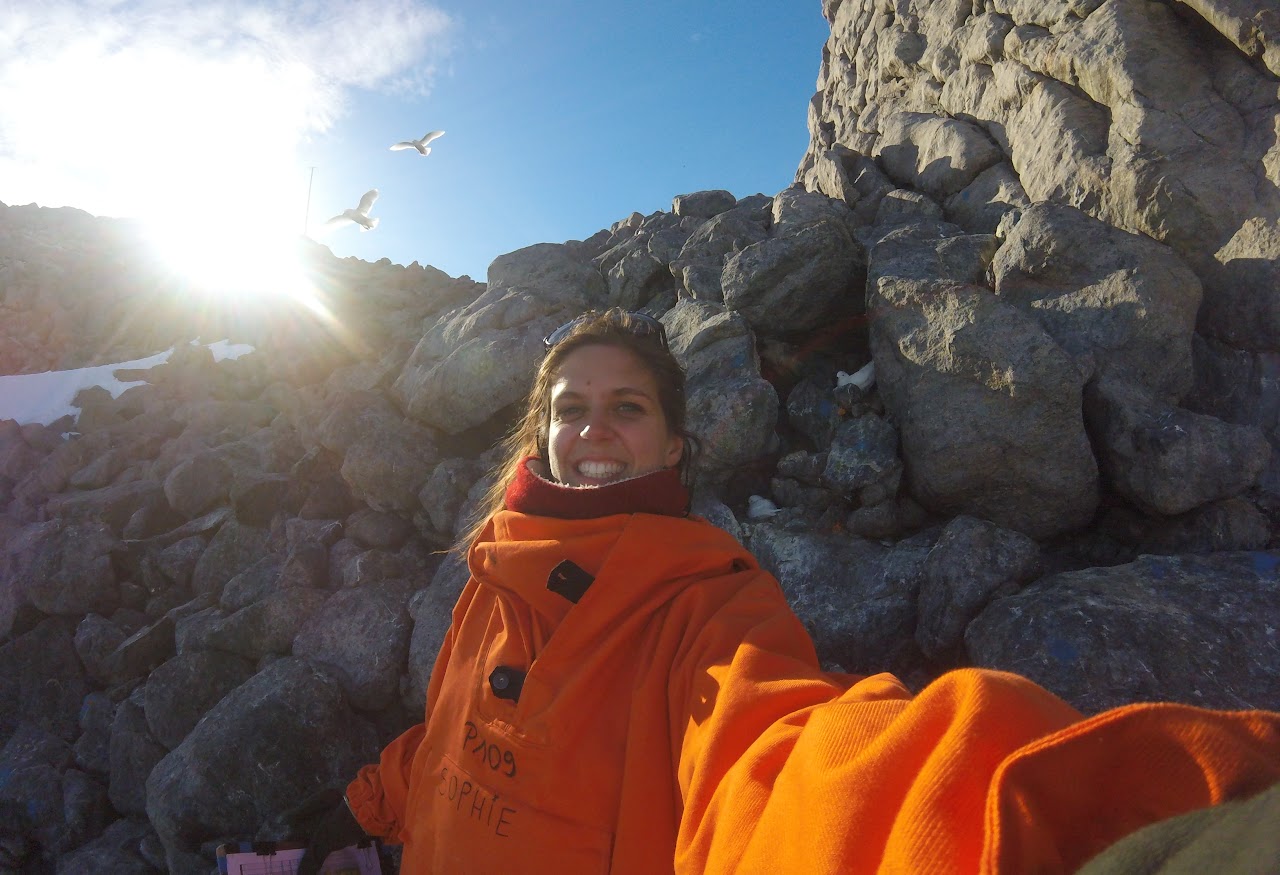 Bionote: Bonjour ! I am a French ecophysiologist working on the impact of anthropogenic activities on vertebrates. Specifically, I am interested in the effects of human-associated abiotic and biotic environmental constraints on health biomarkers, such as telomere length and hormone levels. I first encountered the polar environment during my PhD at the Centre d'Etudes Biologiques de Chizé. It was love at first sight, and I'm now involved in side research projects to further my understanding of how climate change is influencing the equilibrium of seabird populations. Sinc 2021, I have also been involved in associative activities with APECS-France. Among others, I created a Webinar called 'ArtPECS' to promote the polar environment through Art, interviewing French artists about their polar artwork. Six episodes are already available to stream for free, with more to come soon! Moreover, I have been the French NC Representative since 2023. Being part of the APECS ExCom would be a great opportunity for me to further develop the community of polar early career researchers, which I believe is crucial to acting efficiently in the current context of global warming.
Why are you interested in APECS and joining our Executive Committee?
APECS is an internationally recognised polar organization. Joining the Executive Committee would enable me to further develop my involvement in polar issues on a global scale. I have been on the APECS-France Board for 4 years now and I am involved in both pedagogical and mentoring activities at a national level. Moreover, I have been linking APECS-France to APECS-International as an NC Representative for 2 years. In this role, I have initiated collaborative projects with other national APECS groups to expand the reach of our polar initiatives which is particularly important in the current context of concerning global warming. Having gained a clearer understanding of how APECS-International operates, I am now ready to take the next step in my involvement by joining the Executive Committee and continuing to develop my 'gathering' initiatives on an international scale.
Please describe in more detail how you have been previously involved in the APECS leadership (e.g. Executive Committee, Council, NC leadership)?
I joined the APECS-France Board in 2021. Since then, I have been involved in most of our key pedagogical and mentoring activities. To contribute at my scale to the functioning of APECS-International, I have been one of the French NC Representative since 2023. I was also a member of the APECS-International Art Group in 2023.
What do you hope to contribute to APECS as an Executive Committee member?
For sure, I hope to continue the impressive international expansion of APECS-International that was initiated by my predecessors. APECS-International is now a well-established and recognised polar organisation, and I am determine not to lose this status. Building on my experience as an NC Representative (see below for further details), I intend to bring together the polar ECR community (and voice!) from around the world.
What priorities (e.g. projects, activities) would you focus on during your term on the ExCom?
I would focus on strengthening interdisciplinary collaboration across polar and alpine systems, enhancing early-career engagement in science-policy processes, and promoting inclusive participation from underrepresented regions. I would also be keen to build stronger connections between APECS and other early-career networks such as YESS, WCRP ECR groups, and Future Earth communities to expand the reach and impact of our collective work.
What experience do you have mentoring and advising committees, Project Groups or individuals?
I have experience mentoring early-career researchers both informally and through organized roles. As a member of the YESS Executive Committee, I provide guidance on project planning, communication, and collaboration strategies. I’ve also mentored individual students and peers by offering advice on research challenges, career development, and networking opportunities. Additionally, I have contributed to workshops and webinars designed to build skills and confidence among early-career scientists.
Are you expecting any longer away periods (3+ weeks e.g. for intense study periods, fieldwork) during the 2025 - 2026 term?
No I am not.
-
Alice Guzzi - Italy
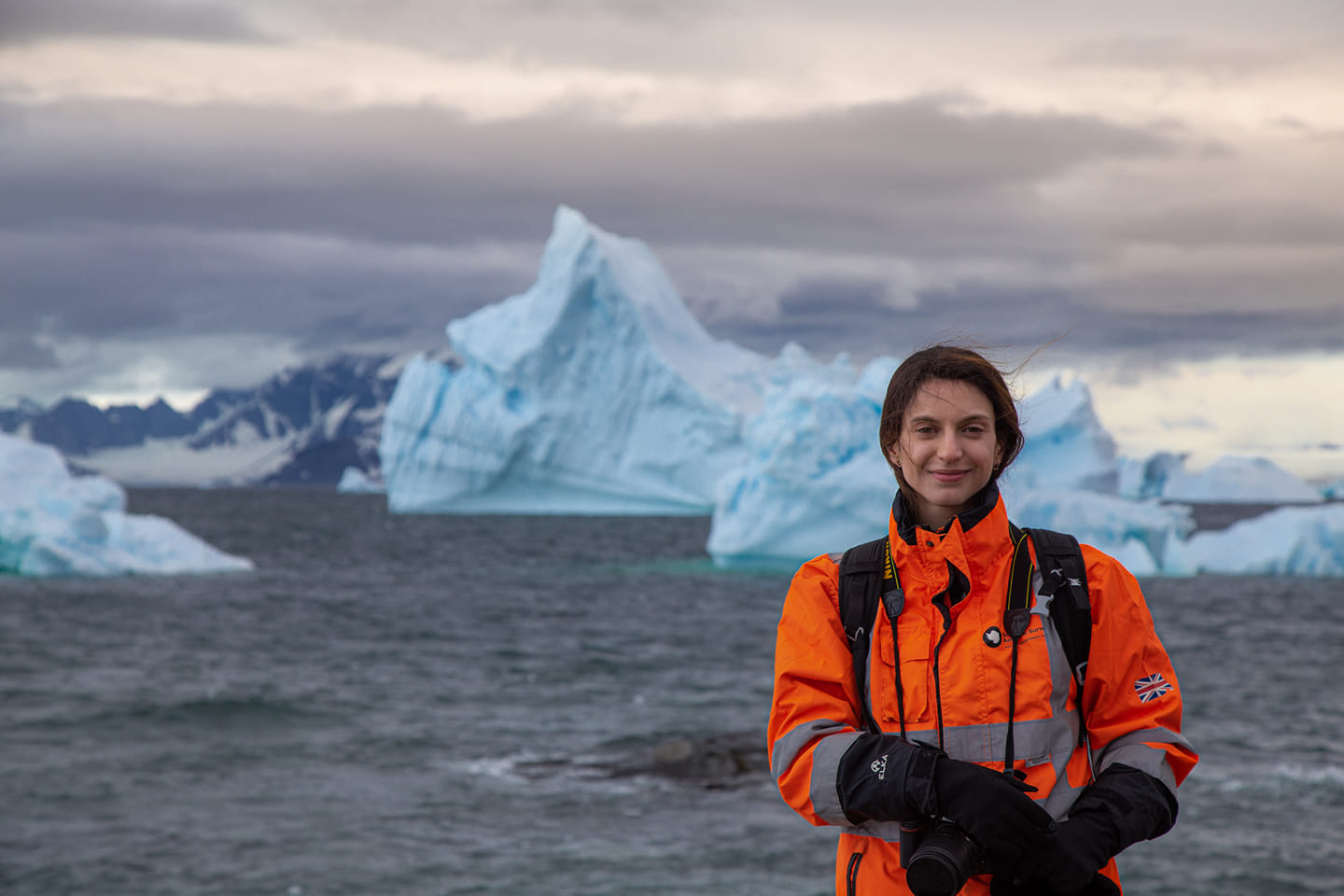 Bionote: Ciao! I’m Alice, an Italian Marine Ecologist based in Genoa.I am currently a Research Fellow at the University of Genoa, working within the Italian National Antarctic Museum (MNA, Genoa section). My research focuses on the conservation and biodiversity of Antarctic marine invertebrates, with a strong specialization in DNA barcoding and reverse taxonomy, particularly applied to Antarctic echinoderms. This work has contributed to the revision and, in some cases, the creation of the echinoderm species checklist for Terra Nova Bay. At present, I am focusing on non-destructive methodologies, especially photogrammetry, to develop standardized baseline data and long-term monitoring systems for Antarctic benthic communities. Together with two friends and colleagues, I founded a citizen science project called St[r]anding, aimed at monitoring and collecting data on beached marine fauna. Since 2025, I have also been a lecturer for the Laboratory of Archeozoology, a university course designed to provide students in the Cultural Heritage Conservation program with practical tools to identify and classify key animal species studied in archeozoology, with a focus on their use in common archaeological contexts. In 2020, together with four other Italian colleagues, we re-establish APECS Italy after a period of inactivity of the former national board. This experience was incredibly enriching, as it challenged me in new ways and allowed me to develop valuable skills that contributed to the success of the initiative. Since 2024, I’ve been serving as a National Committee Coordinator, this role has enriched my experience within APECS and deepened my appreciation for international collaboration and open communication. Beyond my scientific work, I have a strong interest in the history of polar exploration and a deep passion for botany, which I pursue through botanical watercolor painting and by turning my home into a small personal urban jungle.
Why are you interested in APECS and joining our Executive Committee?
My interest in APECS stems from a deep appreciation for its mission to support and empower ECRs in the polar sciences. Since re-establishing APECS Italy in 2020 and later serving as National Committee Coordinator, I have experienced first-hand the value of this global network, not only in terms of scientific collaboration but also in fostering professional growth, mutual support, and inclusion across diverse communities. What drives me to join the Executive Committee is the desire to take a more active role in shaping and supporting the broader vision of APECS. I see this as an opportunity to give back to a community that has contributed significantly to my development as both a researcher and a person. I am inspired by the collaborative, inclusive, and international spirit of APECS, and I am committed to contributing to its continued success by working alongside dedicated colleagues to address the evolving needs of the ECR community. I believe I can bring a proactive, empathetic, and solutions-oriented approach to this role, and I am eager to maintain an environment where ECRs feel heard, valued, and equipped to thrive in their careers. Ultimately, I see this position not only as a responsibility but as a meaningful way to amplify the collective voice of early career researchers and strengthen the foundations of future polar science leadership.
Please describe in more detail how you have been previously involved in the APECS leadership (e.g. Executive Committee, Council, NC leadership)?
In 2020, I was one of five people who re-established APECS Italy, following the end of the previous board’s term, which unfortunately was not succeeded by a formal transition. Due to a significant gap in activity (5 years), we were faced with the challenge of rebuilding the network almost from scratch, an effort made even more complex by the dynamic nature of the early-career researchers community. Despite these difficulties, I’m extremely proud of what our team has achieved. Over time, we expanded, welcomed new members, and, after 5 years, established a stable and active network in Italy. I am also serving as National Committee Coordinator (NCC), acting as a link between the NC representatives on the Council, the Executive Committee, and the International Directorate. This was the first step I intentionally took to grow within the APECS community, challenge myself in an international context, and broaden my perspective. I strongly believe that international cooperation and the open exchange of ideas and experiences within a supportive and inclusive environment are essential to sustaining the success and progress of the polar science community. APECS embodies these values, and for this reason, I have made the decision to actively and more directly contribute to their promotion and realization by standing as a candidate for the Executive Committee.
What do you hope to contribute to APECS as an Executive Committee member?
As an ExCom member, I hope to contribute meaningfully to the continued improvement of communication, collaboration, and overall efficiency within the APECS leadership structure. Building on the current reflections and evaluation documents from the past term, I intend to actively support ongoing efforts and offer my skills and knowledge to help achieve the goals that will be defined at the beginning of the new term. My aim is to foster a sense of synergy within the ExCom team, working together toward shared objectives while highlighting and valuing the diverse strengths and talents of each member. I strongly believe that a collaborative and respectful environment not only enhances productivity but also makes the experience more enriching and sustainable for everyone involved. I am fully aware of the responsibilities and time commitment this role entails. Over the years, I have developed strong organizational and task management skills that I believe will enable me to contribute in a reliable, precise, and efficient manner. At a more personal level, I am particularly motivated to strengthen engagement mechanisms across the wider leadership and to ensure that early career researchers feel supported, heard, and empowered to participate actively. I would like to bring a proactive, empathetic, and solutions-oriented approach to my work, offering support where needed and helping to maintain momentum on key initiatives.
What priorities (e.g. projects, activities) would you focus on during your term on the ExCom?
During my term, I intend to actively contribute to strengthening APECS as an inclusive and welcoming international environment that fosters meaningful collaboration and synergy among ECRs. A key area I would like to focus on is mental health. I believe it is essential to promote open dialogue and support initiatives that work to eliminate the stigma often associated with this topic. Another pressing issue that resonates across the global ECR community is the lack of accessible funding opportunities. Although this is a complex and longstanding challenge, I am committed to working with fellow members of the Ex-Committee to develop concrete, collaborative solutions. My goal is to contribute to the development and securing of funding mechanisms specifically tailored to the needs of early career researchers. In addition to this, I aim to strengthen communication both within the APECS community and with external stakeholders. I believe this effort should not be limited to improving the efficiency of top-down information flow, but should also actively promote bottom-up engagement. By creating more opportunities for members to share their initiatives and ideas at the international level, we can foster a more participatory and dynamic network where all voices are heard and valued.
What experience do you have mentoring and advising committees, Project Groups or individuals?
In my current role as National Committee Coordinator within APECS, I have supported various National Committees (NCs) at different stages of development. For emerging NCs, I have provided more intensive guidance and assistance, while for more established committees, my involvement has focused on collaborative activities and assistance. At the national level, as part of the APECS Italy board, we maintain an open channel for questions from ECRs and students who are beginning their journey in polar sciences within the Italian context. I have often made myself available for both formal and informal conversations, offering my experience and support to those seeking guidance. Through APECS Italy, I have also organized workshops, training courses, and the annual National Conference (the 8th edition of which will take place this November) creating a valuable environment for knowledge sharing and professional development. In my academic work, I have co-supervised two theses and am currently supervising other two students from the University of Genoa for their master's thesis research.
Are you expecting any longer away periods (3+ weeks e.g. for intense study periods, fieldwork) during the 2025 - 2026 term?
Not at the moment.
-
Pratik Kad - Norway
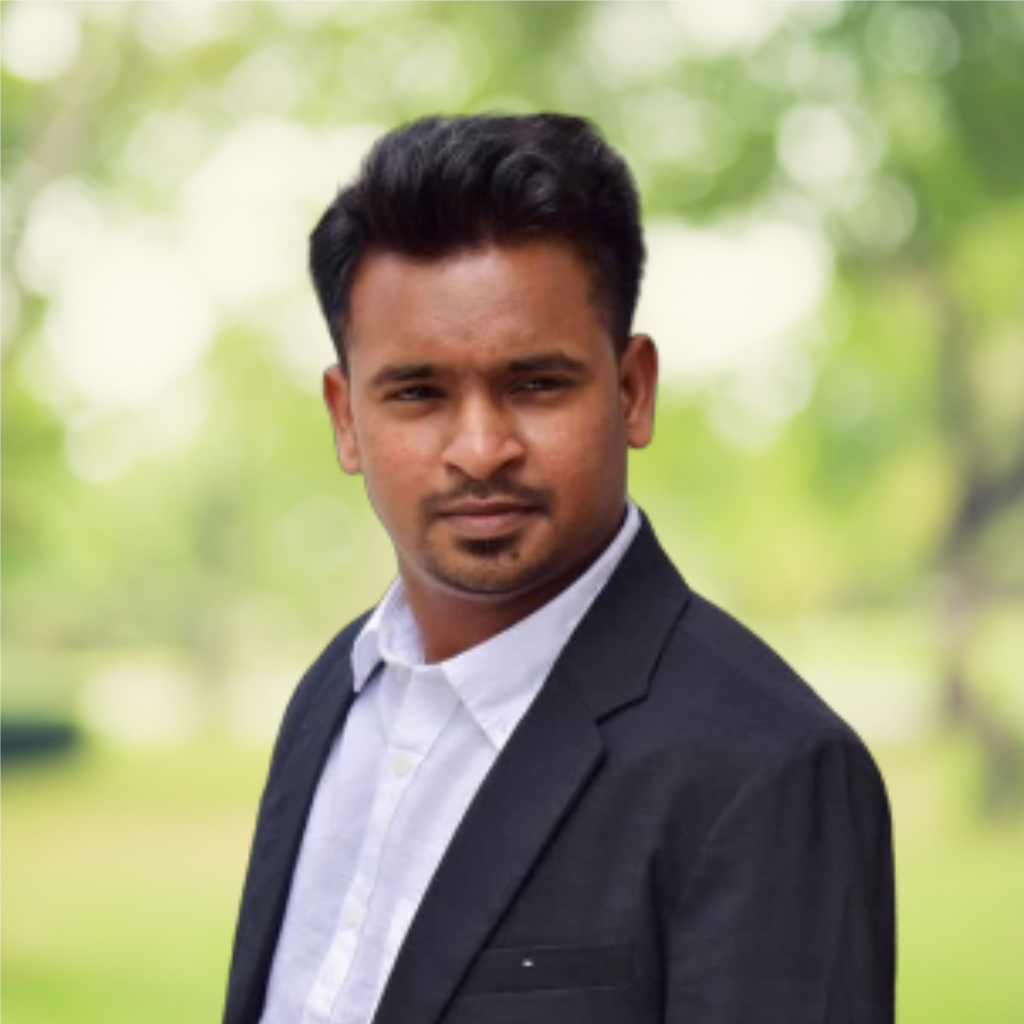 Bionote: I am a researcher based in Norway with a strong passion for climate science. I work as a postdoctoral researcher at NORCE and am an affiliated member of the Bjerknes Centre for Climate Research. My current research explores nature-based solutions for mitigating climate change, integrating ecological knowledge with atmospheric processes. My curiosity about the day-to-day variability of weather sparked a broader interest in understanding the climate system. I enjoy observing and tracking weather events, which often inspire my scientific questions and research directions. My research interests include alpine climate, atmospheric science, physical oceanography, the cropsphere, and climate change. I am particularly drawn to the complex interactions between the atmosphere and ocean, as well as the unique meteorological processes occurring in mountainous regions. I use a combination of theory, observations, and numerical modeling to investigate these systems. I am also enthusiastic about exploring both past and future climate connection using cutting-edge tools to advance our understanding of climate dynamics. As polar amplification intensifies and tipping points loom closer, I believe APECS holds a critical role to play in encouraging interdisciplinary collaboration and empowering ECRs. By co-producing actionable knowledge and science-informed solutions, we can better respond to the rapid and interconnected changes unfolding across polar systems.
Why are you interested in APECS and joining our Executive Committee?
I’m interested in joining the APECS Executive Committee because I believe early-career networks specially APECS is essential for shaping the future of polar research. My work on climate change, nature-based solutions, and alpine weather has shown me the value of strong, inclusive, and interdisciplinary communities. As the poles continue to warm rapidly, APECS has a key role in connecting early-career researchers, fostering collaboration, and ensuring our voices contribute meaningfully to both science and policy. I’d like to help strengthen these efforts and contribute to building a more connected and responsive research community.
Please describe in more detail how you have been previously involved in the APECS leadership (e.g. Executive Committee, Council, NC leadership)?
I currently serve as an Executive Committee (ExCom) member of the YESS (Young Earth System Scientists) community, where I’ve gained experience in coordination, strategic planning, and cross-network collaboration—skills I hope to bring to the APECS ExCom.
What do you hope to contribute to APECS as an Executive Committee member?
I have participated in several APECS activities and lectures over the past few years, which have helped me stay connected with the early-career polar research community. In 2020 and 2021, I contributed to the IPCC review process in coordination with APECS, which gave me valuable experience in science-policy engagement and collaborative review. In parallel, I currently serve on the Executive Committee of the Young Earth System Scientists (YESS) community, where I’ve gained experience in coordination, strategic planning, and cross-network collaboration. I hope to bring these skills to the APECS Executive Committee to support its mission and expand interdisciplinary engagement.
What priorities (e.g. projects, activities) would you focus on during your term on the ExCom?
I would focus on strengthening interdisciplinary collaboration across polar and alpine systems, enhancing early-career engagement in science-policy processes, and promoting inclusive participation from underrepresented regions. I would also be keen to build stronger connections between APECS and other early-career networks such as YESS, WCRP ECR groups, and Future Earth communities to expand the reach and impact of our collective work.
What experience do you have mentoring and advising committees, Project Groups or individuals?
I have experience mentoring early-career researchers both informally and through organized roles. As a member of the YESS Executive Committee, I provide guidance on project planning, communication, and collaboration strategies. I’ve also mentored individual students and peers by offering advice on research challenges, career development, and networking opportunities. Additionally, I have contributed to workshops and webinars designed to build skills and confidence among early-career scientists.
Are you expecting any longer away periods (3+ weeks e.g. for intense study periods, fieldwork) during the 2025 - 2026 term?
I do not expect any extended periods away.
-
Sebastian Maria Karl Heinrich Kopf - Norway
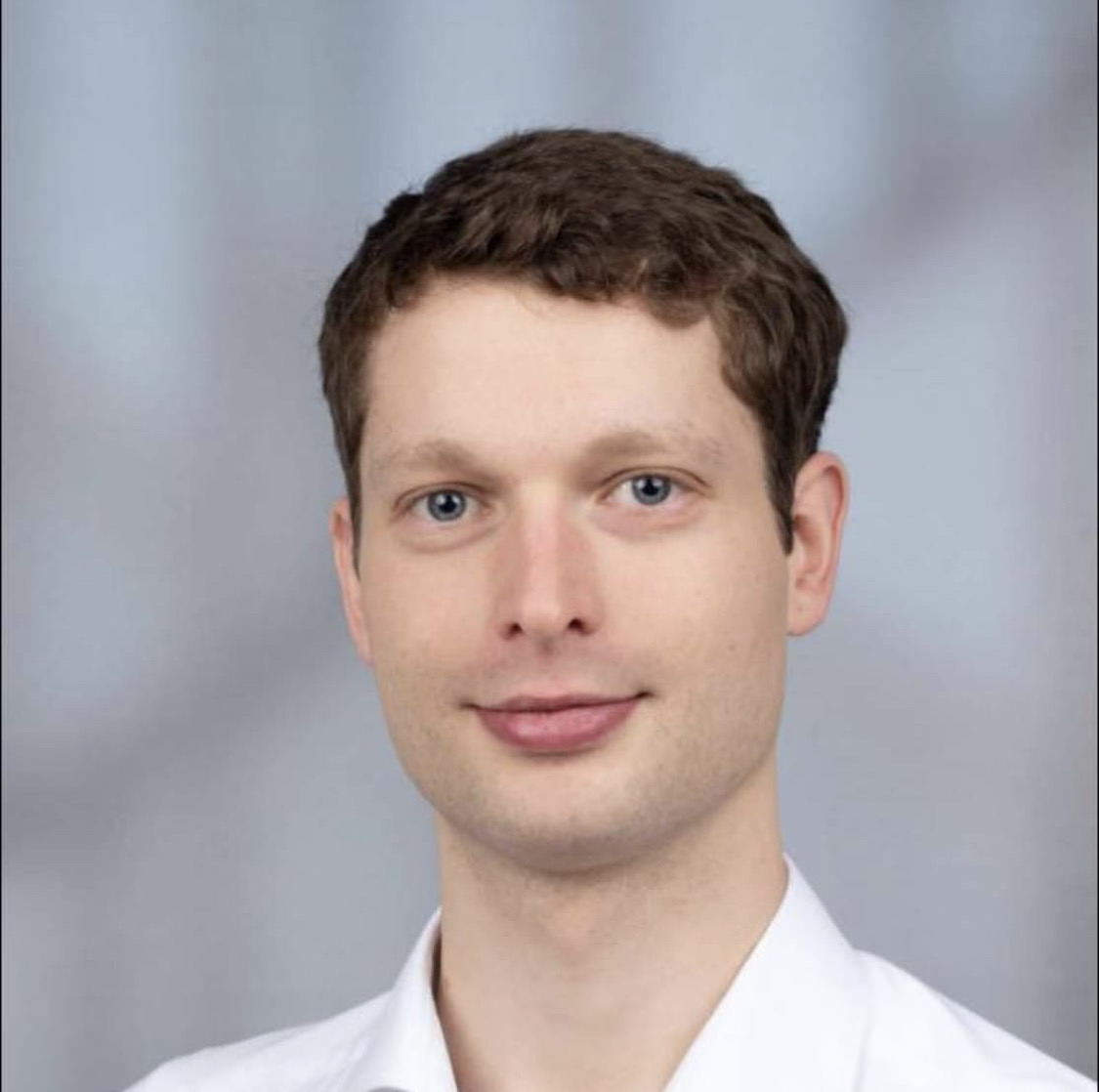 Bionote:
 Sebastian Maria Karl Heinrich Kopf is Advisor at the Norwegian Institute for Water Research (NIVA) in Oslo, Norway, working at the intersection of ocean law, climate security, and ecosystem restoration. With an LL.M. in Law of the Sea from UiT – The Arctic University of Tromsø and a background in political science and environmental policy, his work bridges science-policy integration and stakeholder engagement at the North and South Poles, with special emphasis on the Arctic.
Sebastian has co-founded a marine sustainability initiative, led education and outreach programmes for more than 3,000 participants, and contributes to EU Mission Ocean projects focused on restoring marine and coastal ecosystems. His professional experience spans UN strategic sustainability, strategic foresight, and marine biodiversity governance, supporting long-term, interdisciplinary approaches to ocean challenges.
Within the Association of Polar Early Career Scientists, Sebastian currently serves on the Executive Committee. He is committed to fostering equity and inclusion in polar science, mentoring the next generation, and strengthening intergenerational dialogue. His interests include polar diplomacy, marine restoration, Indigenous rights, and advancing youth participation in global science-policy processes.
Why are you interested in APECS and joining our Executive Committee?
I care deeply about the role APECS plays in building a more inclusive, connected, and impactful polar research community. Having served on the Executive Committee over the past year, I’ve experienced first-hand how APECS empowers early career researchers, facilitates meaningful collaborations, and ensures emerging voices are heard at national and international levels.
I’m applying for a second term to continue supporting APECS’ mission — and to build on momentum we’ve created in areas such as mental health, safety, and representation. In my current role, I’ve been privileged enough to contribute to the development of APECS’ work on member well-being and supporting activities. At the same time, I’ve contributed to APECS' engagement in external policy dialogues, from ocean protection and restoration to early career science diplomacy.
Looking ahead, I want to help APECS strengthen its impact in three key ways: (1) supporting ECRs in developing leadership capabilities, (2) deepening APECS’ contributions to science-policy processes (e.g. Arctic, Antarctic, IPY), and (3) ensuring our spaces remain inclusive, safe, and globally relevant.
APECS can and must be a change-maker.
A change-maker for Early Career Scientists.
A change-maker with Early Career Scientists.
A Change-maker by Early Career Scientists.And change there shall be.
Please describe in more detail how you have been previously involved in the APECS leadership (e.g. Executive Committee, Council, NC leadership)?
I have served on the APECS Executive Committee since October 2024 and currently lead the priority area on the Safety and Well-being of APECS Members. My broader focus has been on supporting the mid- and long-term stability of the leadership team so it can provide the vision, support, and continuity needed for a thriving organisation.
At times, this also has meant saying “no” and offering alternative direction and advice when I believe a different direction is in the best interest of APECS.
I also contribute to regular Executive Committee duties, including internal coordination, project group (leader) support and council engagement.What do you hope to contribute to APECS as an Executive Committee member?
As a continuing ExCom member, I aim to strengthen APECS in three main ways.
First, I will build on my current work by finalising and anchoring APECS’ approach to safety and well-being, ensuring lasting structures that support members in fieldwork, meetings, and online spaces.
Second, I will support the next generation of Council leaders by sharing lessons from this term (and beyond), offering mentorship where helpful, and helping others step into coordination and governance roles.
Third, I want to help APECS grow its voice in science-policy and international fora, especially where youth and early career perspectives on polar governance, equity, and restoration are needed. With experience in EU projects and Arctic networks in particular, I can support APECS in navigating partnerships and contributing meaningfully to larger processes.
Above all, I hope to offer a calm and listening presence on the team — and help continue to make APECS a space where early career scientists are and feel both safe and empowered.
What priorities (e.g. projects, activities) would you focus on during your term on the ExCom?
This might surprise you. But my main focus will be on not having too many priorities. APECS can only thrive if its core structures are solid and manageable — so that volunteers can focus their energy where it matters most.
One key area I want to support is internal communication and coordination: quicker average response times, easier access to shared online spaces (like online meetings), and clearer support for Council chairs, project group leaders and further APECS roles. If we get the basics right, everything else follows— from internal project planning to external partnerships.
Alongside this, I’ll continue my work on safety and well-being, making sure simple, lasting tools are in place. And I’ll help with even smoother leadership transitions, so new volunteers can step in without loosing too much valuable time.
What experience do you have mentoring and advising committees, Project Groups or individuals?
Within APECS, over the course of the last year, I've advised council members and supported project group leaders in settling into their roles. Beyond APECS, I’ve advised early career professionals through different programmes, mentoring schemes, and EU-funded project teams. I regularly support colleagues and students working on ocean governance, policy engagement, and career development in international settings.
Are you expecting any longer away periods (3+ weeks e.g. for intense study periods, fieldwork) during the 2025 - 2026 term?
No.