 The Association for Polar Early Career Scientists (APECS) organized its 2nd APECS World Summit 2018 "Connecting the Poles" directly before
 The 2018 APECS World Summit was held in Davos, Switzerland, from June 17-18, as part of POLAR2018. In total 41 representatives from 22 countries participated in the first day, with sessions dedicated to facilitating local and national networks of ECRs and how to better serve APECS members. The second day, 110 participants from 24 countries joined for a workshop on interdisciplinary and inter-polar research. While the two days had different foci and different participants, common themes emerged through the whole event. These included: Recruitment and Retention of members; Career Development; Education and Outreach; and the importance of Interdisciplinary and Interpolar Research.
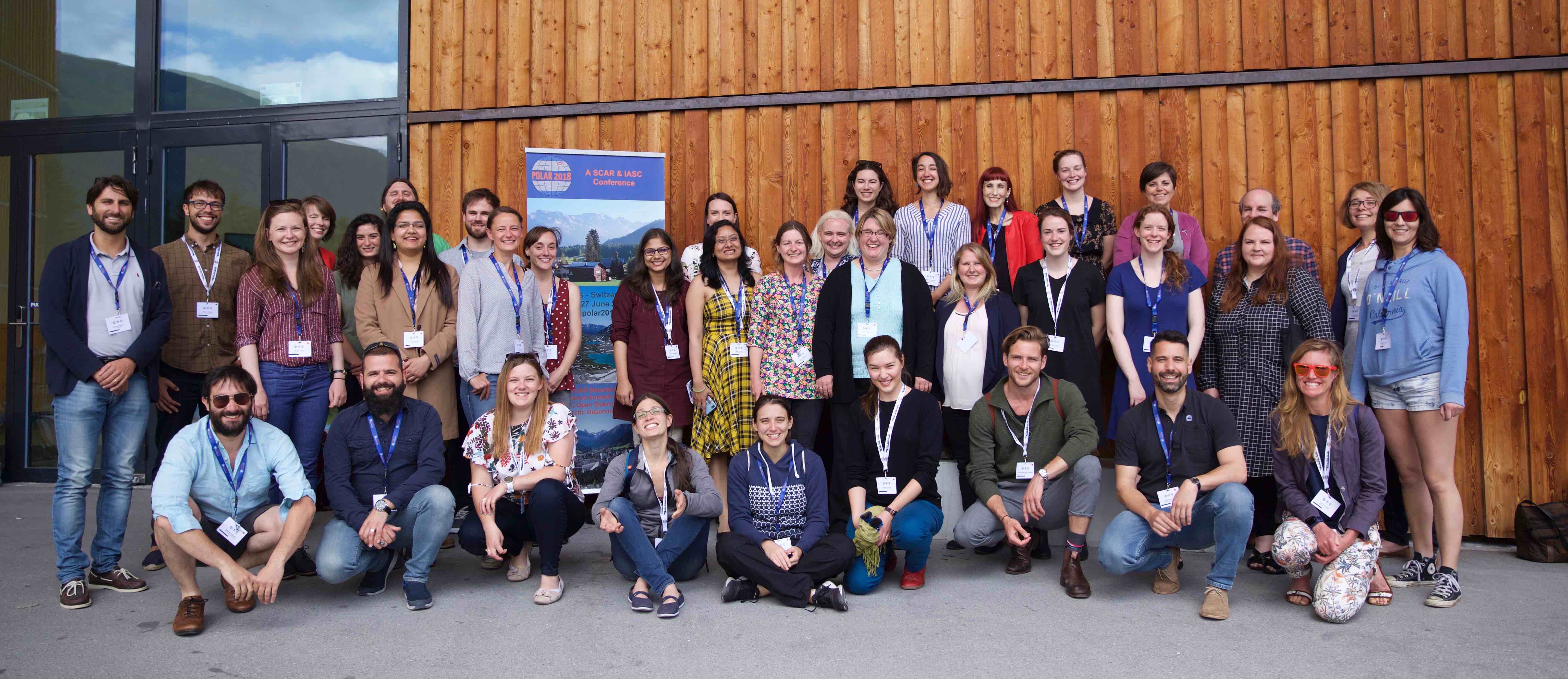
Twenty one APECS National Committees were represented on Day 1 (June 17) of the APECS World Summit. The local APECS Switzerland representative Carla Perzmon welcomed APECS members to Davos. Several National Committees were invited make short presentations to initiate discussions about running large funded events; engaging with mentors; collaborating with national organisations; engaging members; and effective education and outreach. It was noted that many of the challenges outlined were also faced by other National Committees, and participants were reminded they can contact each other as valuable resources when solving problems locally.
There were two major outcomes from Day 1 of the APECS World Summit. First, it was noted that for some members it is useful to have a document certifying their involvement with APECS. In order to address this point, and to provide an incentive for recruitment and retentions of APECS members, the establishment of a voluntary APECS Development Program was proposed. An APECS Project Group will develop this proposal further, providing suggested requirements and a rationale for these.
Partnerships with other organisations were also discussed. Participants decided to establish an APECS Project Group to create a resource that outlines best practice for working with partners. This project group will contact partner organisations to seek examples of what has worked well, and develop best practice guidelines to be posted on the APECS website and used by APECS International, APECS National Committees, and organisations looking to collaborate with APECS on opportunities for ECRs.
The second day of the APECS World Summit (June 18) was open to all early career researchers attending POLAR2018, and had a focus on interdisciplinary research, collaboration and exchange. The day consisted of four plenary presentations, followed by two break out group sessions. The first break out session related to the development of soft skills, including data management and education and outreach, while the second break out session was focussed on research challenges and creating connections between participants and disciplines. The day concluded with a panel discussion on interdisciplinary, inter-polar research, and participants were encouraged to continue dialogue throughout the POLAR2018 conference. Many new connections were formed, and we look forward to seeing new friendships and professional collaborations develop in the coming years.
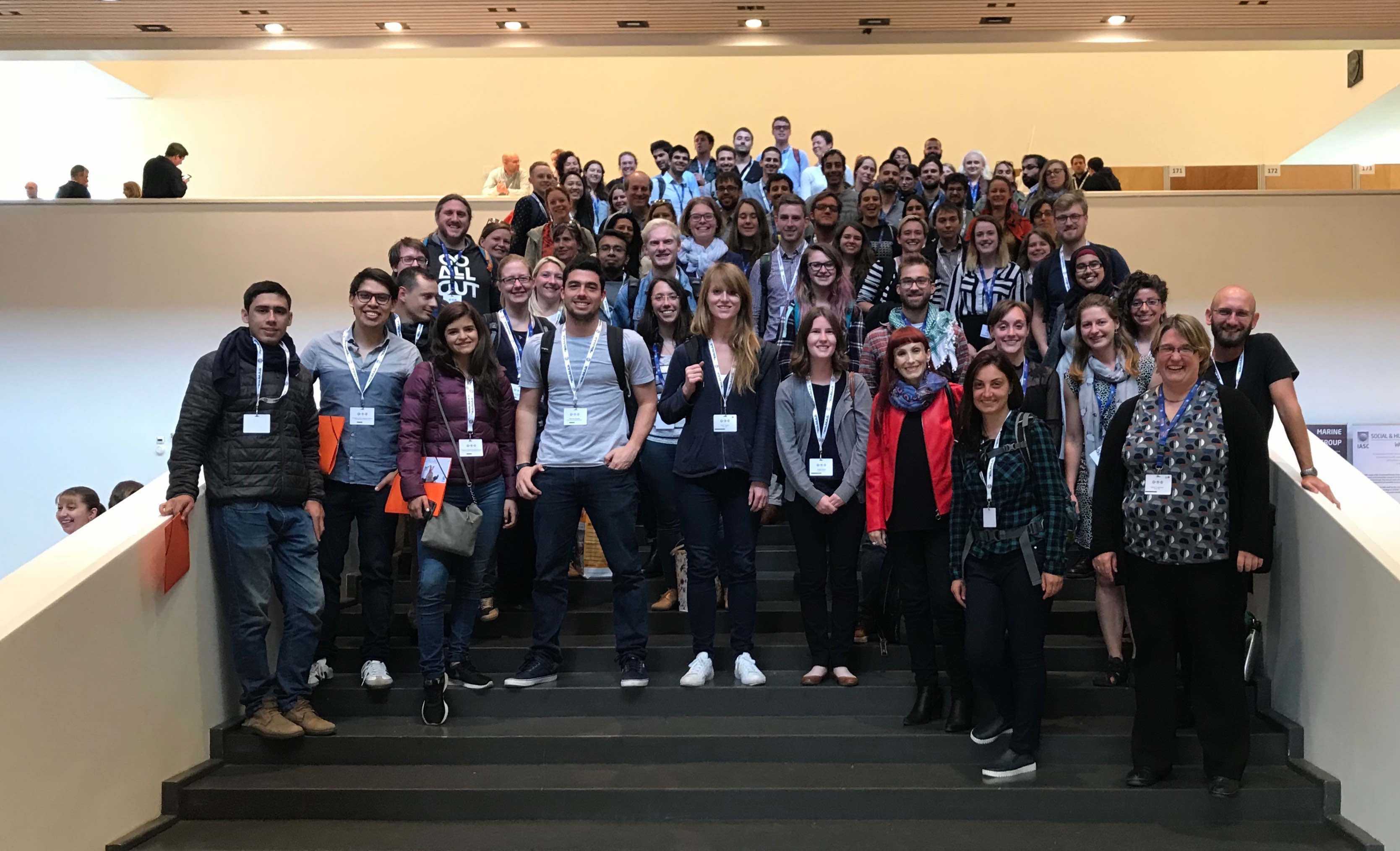
A more detailed project report with the outcomes of the meeting as well as more photos from the two days will be published on the World Summit website in the coming weeks.
(Photos by Stephen Curtain and Gerlis Fugmann)
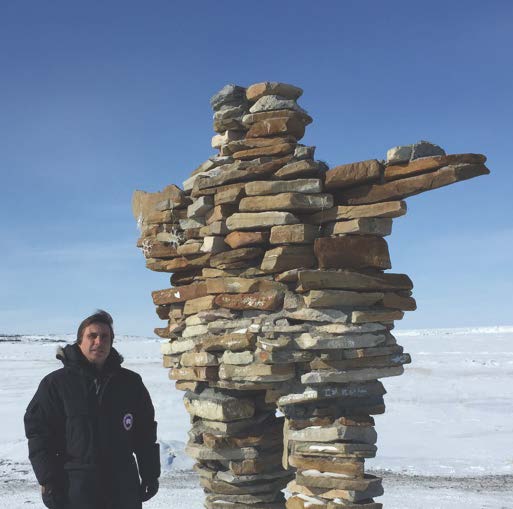 Bio: João Canário has a degree in Chemistry and a Ph.D. in Environmental Chemistry. His career has been mainly focused on the fate and biogeochemistry of trace-elements in the environment and more recently he has been working on the chemical characterization of permafrost soils and waters from permafrost thaw lakes. He is executive member of the Portuguese Polar Program, IASC Council Member and the Portuguese delegate at the IASC Terrestrial Working Group. Dr. Canário is Principal Researcher at the Centre of Structural Chemistry and Invited Professor at Department of Chemical Engineering/Instituto Superior Técnico, both from the University of Lisbon. He is also external researcher at the Centre D’études Nordiques at University Laval and Adjunct Graduate Faculty Member at Trent University, both in Canada. Since April 2017 he is the chair of the Pan-Arctic Program T-MOSAiC (t-mosaic.com).
 University of Oslo, Norway / WSL Institute for snow and Avalanche Research (SLF), Switzerland
 Bio: Øystein Godøy has been working with satellite remote sensing since he was a student. His main area of interest is optical sensors and extraction of information on clouds and surface characteristics like snow and sea ice as well as surface radiative fluxes. He is also involved in measurement sites for surface radiative fluxes in the Arctic.
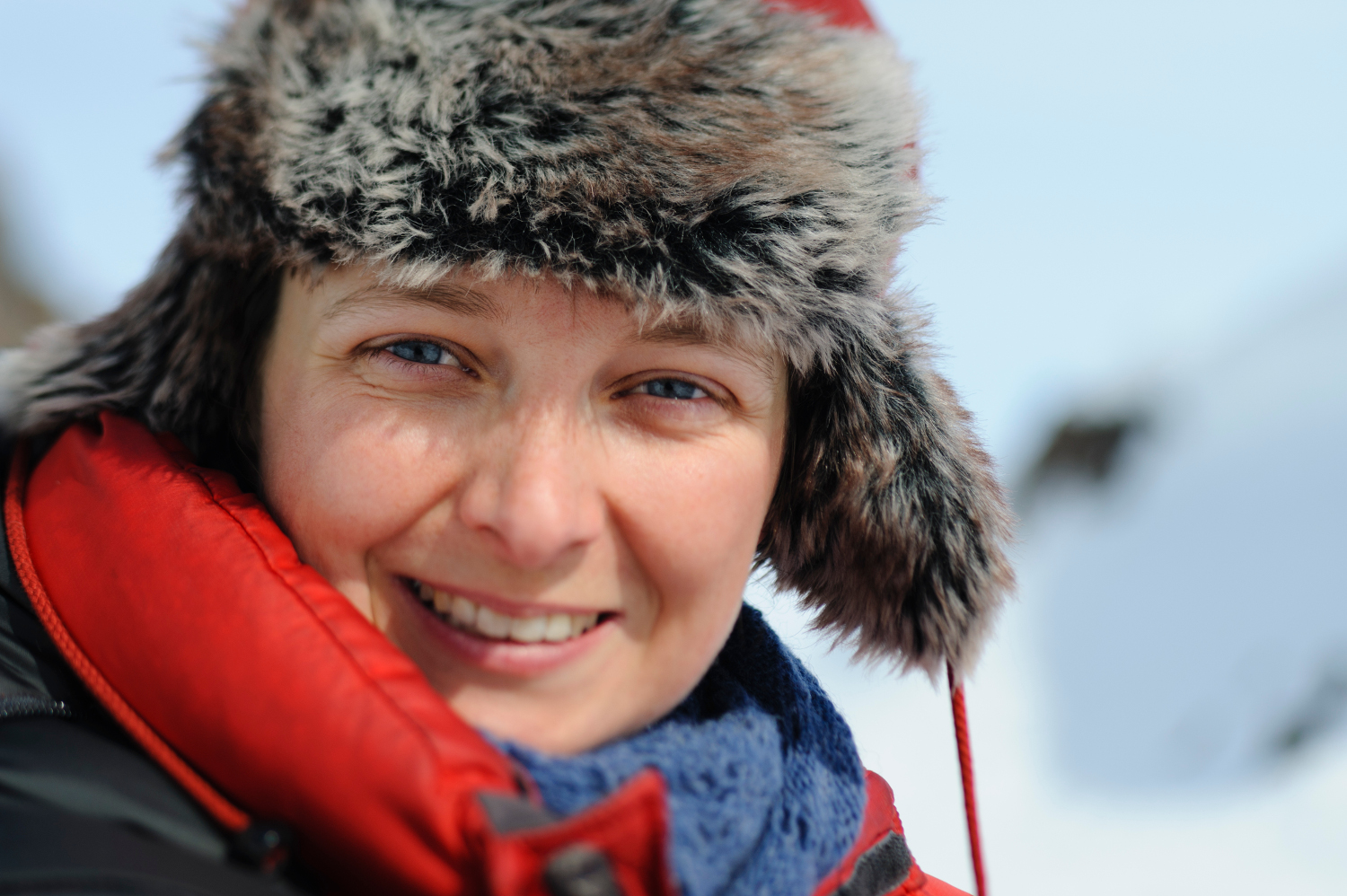 Bio: Nanna B. Karlsson is a senior scientist at the Geological Survey of Denmark and Greenland. Her work focuses on ice-flow dynamics, ice-penetrating radar, and the coupling of observations and numerical methods. She is interested in icy bodies in Greenland, Antarctica and on Mars. She has participated in numerous expeditions to Greenland and Antarctica, and she considers data collection to be an integral part of her scientific work.
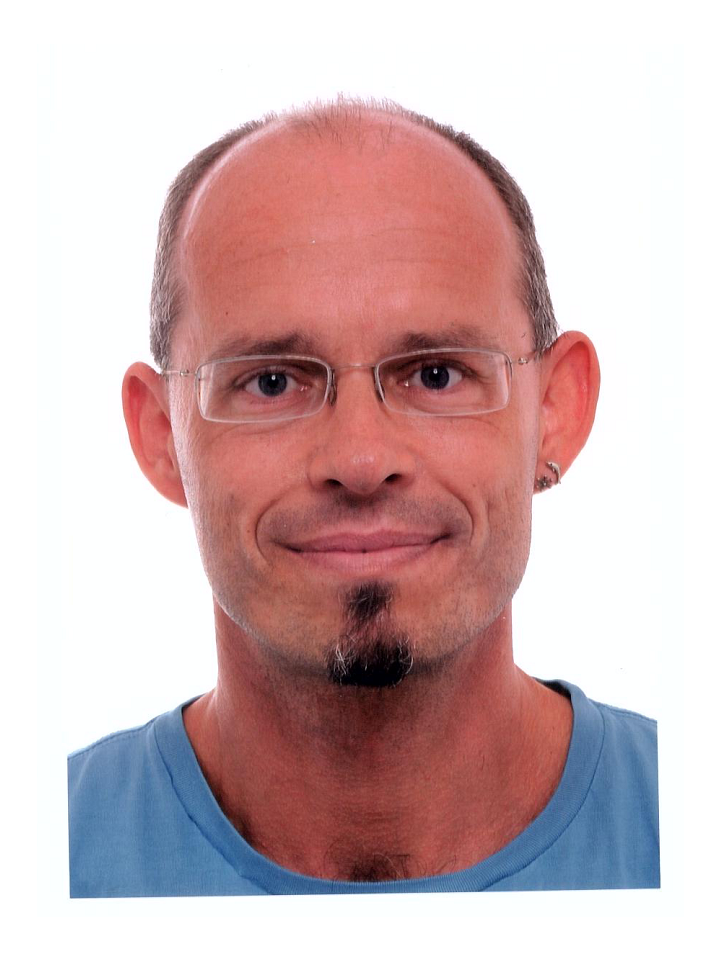 Bio: Stefan Kern received the Diploma degree in meteorology from the University of Hannover, Hannover, Germany, in 1997 and the Ph.D. degree in physics from the University of Bremen, Bremen, Germany, in 2001. In Bremen he worked for the EU-project SEALION led by Peter Lemke. Since 2001, he has been with the University of Hamburg, Hamburg, Germany, where he first worked at the Institute of Oceanography. Here he worked for the EU-project MARSAIS led by J. Johannessen before he continued on several post-doc positions from German National Funding (ANTCOPOL, SFB512). In 2010 he joined the Center of Excellence for Climate System Analysis and Prediction (CliSAP) becoming a service employee / scientist at the Integrated Climate Data Center (
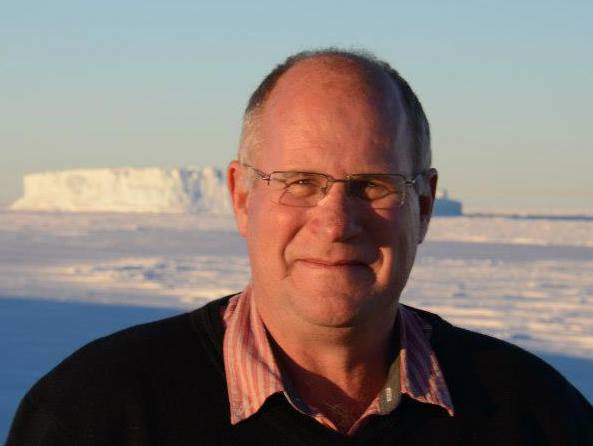 : Ian Meiklejohn is Professor of Geography at Rhodes University, South Africa. Many of the answers to the vexing questions around global environmental change are most likely to be found in the Polar Regions and his research interests include global early-warning systems and the interactions of geomorphology with climate and biota in the Antarctic and Arctic. He has participated in fifteen expeditions to the Antarctic and sub-Antarctic, as well as an expedition to the Swedish Arctic. Ian has supervised almost 40 PhD's and Masters graduates, with ten from the Antarctic in the past five years. He is one of two hundred invited persons who are part of the Campaign for the poles and is the South African Delegate to SCAR.
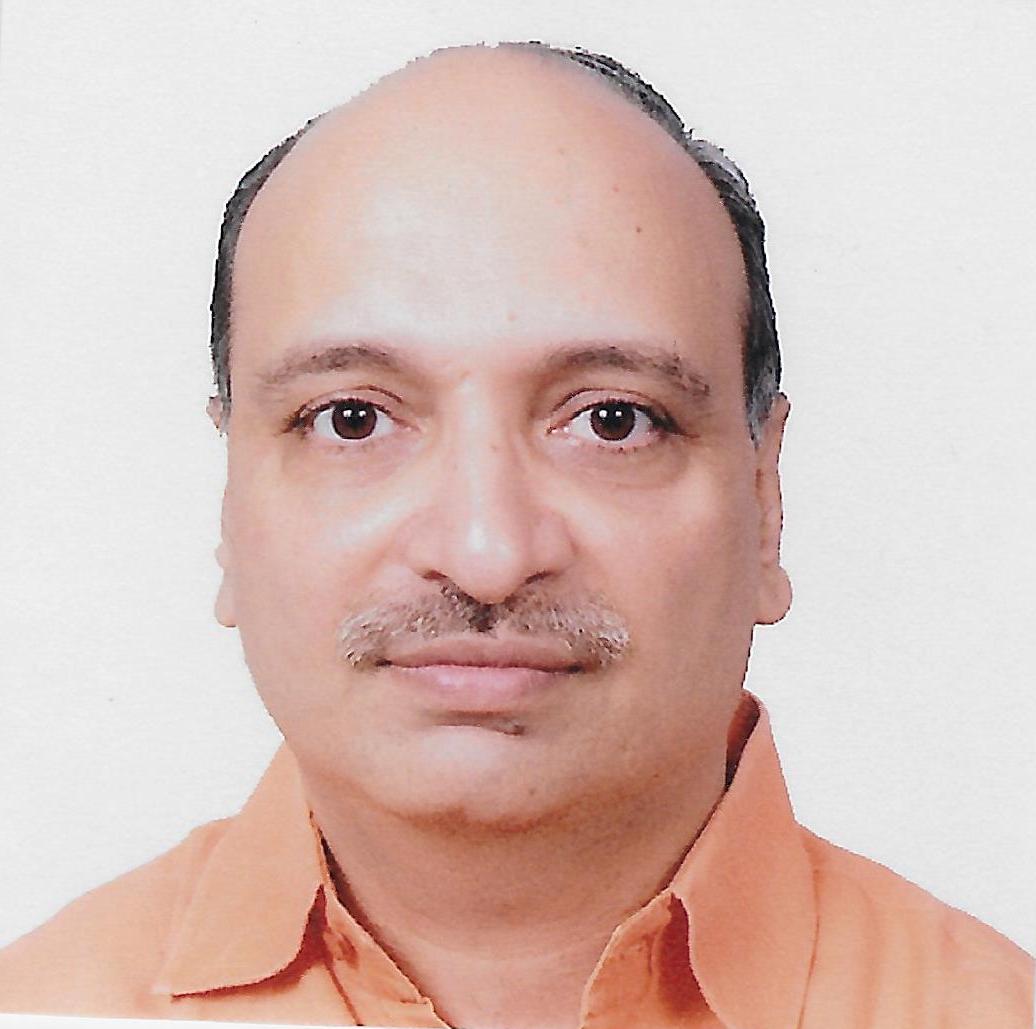 Bio: Rahul Mohan received the Masters degree in Geology from the Department of Geology, Banaras Hindu University, Varanasi, India and the Ph.D. degree in Geology – Oceanic micropaleontology from the same University (BHU) while working at the National Institute of Oceanography in Indo-German project Quarterny upwelling and climate in the Indian Ocean - working on biogenic fluxes in the Northern Indian Ocean. He took a post-doc at BHU and later joined National Centre for Antarctic and Ocean Research, Goa in 2003 as a Scientist. His interest included response and ecology of coccolithophores and marine diatoms from the Southern Indian Ocean. Currently, he is managing the Indian Scientific Expedition to Antarctic scientific projects. His group works on Past Climate and Oceanic variability. They have interest in climate records from Antarctic Lakes and Southern ocean with keen interest to understand the linkages between Southern ocean and the Arctic utilizing proxies. He has interest in Outreach and is also involved in educating school and University kids on polar regions and is a member of CBET, SCAR.
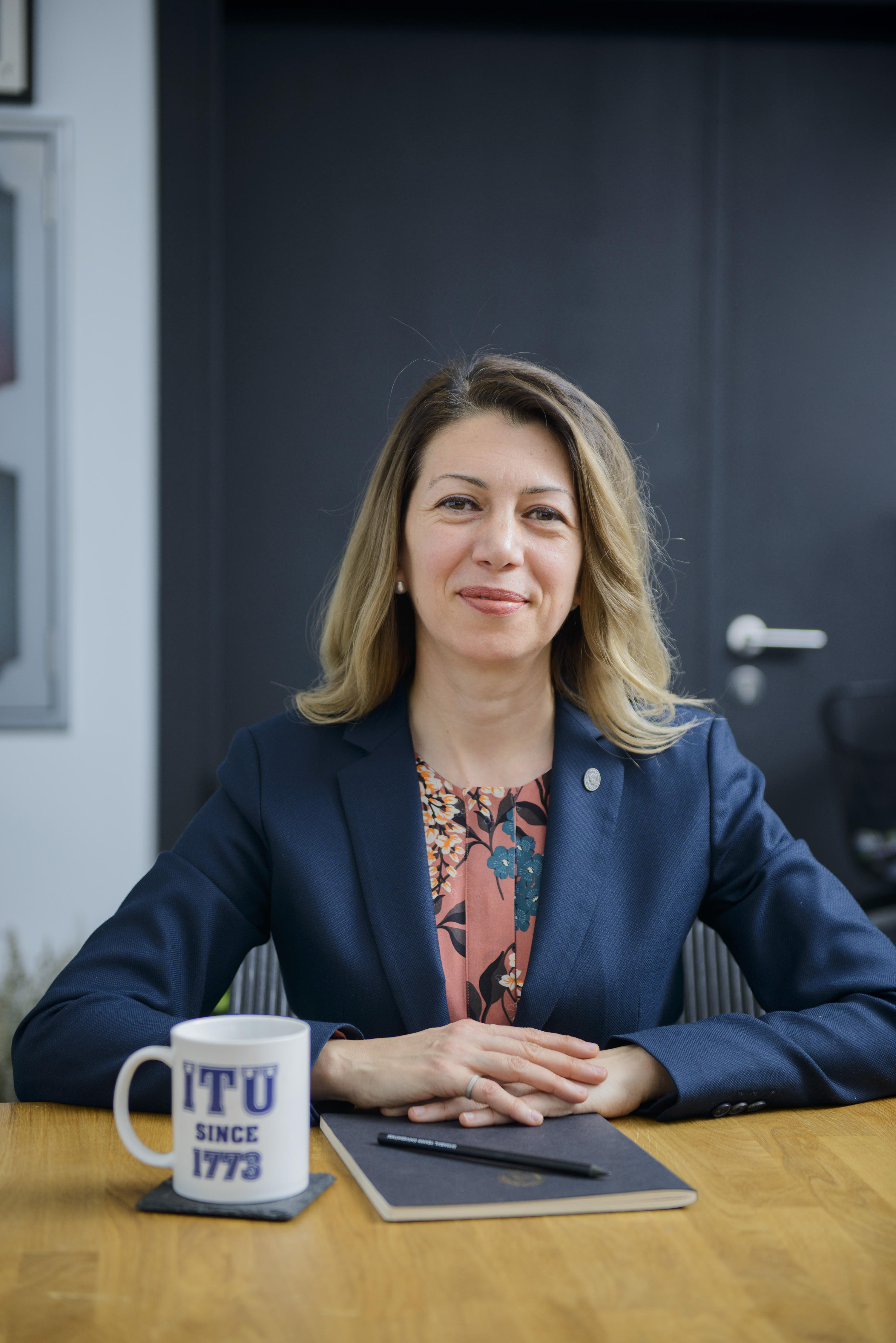 Bio: Dr. Burcu Ozsoy, Director of Polar Research Center, completed her PhD, in consultancy of Steve Ackley – sea ice geophysicist and co-chairman of the Scientific Committee on Antarctic Research (SCAR) program on Antarctic Sea ice Processes and Climate (ASPeCt). She joined the US Antarctic Expedition on ODEN Cruise in 2006 to conduct in situ ASPeCt sea ice observations. She also obtained various type of Remote Sensing products for validation and comparison with local observations. Her PhD focused on Estimation of Antarctic Sea Ice Thickness from Surface and Space Borne Altimetry, and she tried to contribute to observe the Southern Ocean in her publications as well as during her PhD. She co-organized and joined the 2016 Turkish – Ukrainian Antarctic Expedition again to study sea ice geophysics. She served as the scientific leader of both first national Turkish Antarctic Expedition (TAE-I) and second national Turkish Antarctic Expedition (TAE-II). During the second expedition, there was 15 projects running simultaneously. Other than her experiences on expeditions, she is a lecturer at Istanbul Technical University Maritime Faculty. She offers, Marine Environment Protection and Maritime Remote Sensing Applications courses directly related to her PhD study, in the faculty. The highlighted parts of these two courses are “Conveyor Belt, importance of Polar Regions, Sea ice conditions for Maritime transportations, importance of sea ice observations, ASPeCt sea ice observations and how to conduct, Remote Sensing as tool for vast regions to detect changes as well as to have long term time series, etc.”. International Maritime Organization (IMO) is also working on publishing Polar Code for ships which sail in icy waters especially in Polar Regions. She is heavily involved in joining meetings about the Polar Code nationally and internationally. Finally, she is the part of Horizon 2020 SPICES project team which comprises 14 organizations that are European leaders and among the world leaders in the field of satellite remote sensing as applied to Polar sea ice monitoring and forecasting.
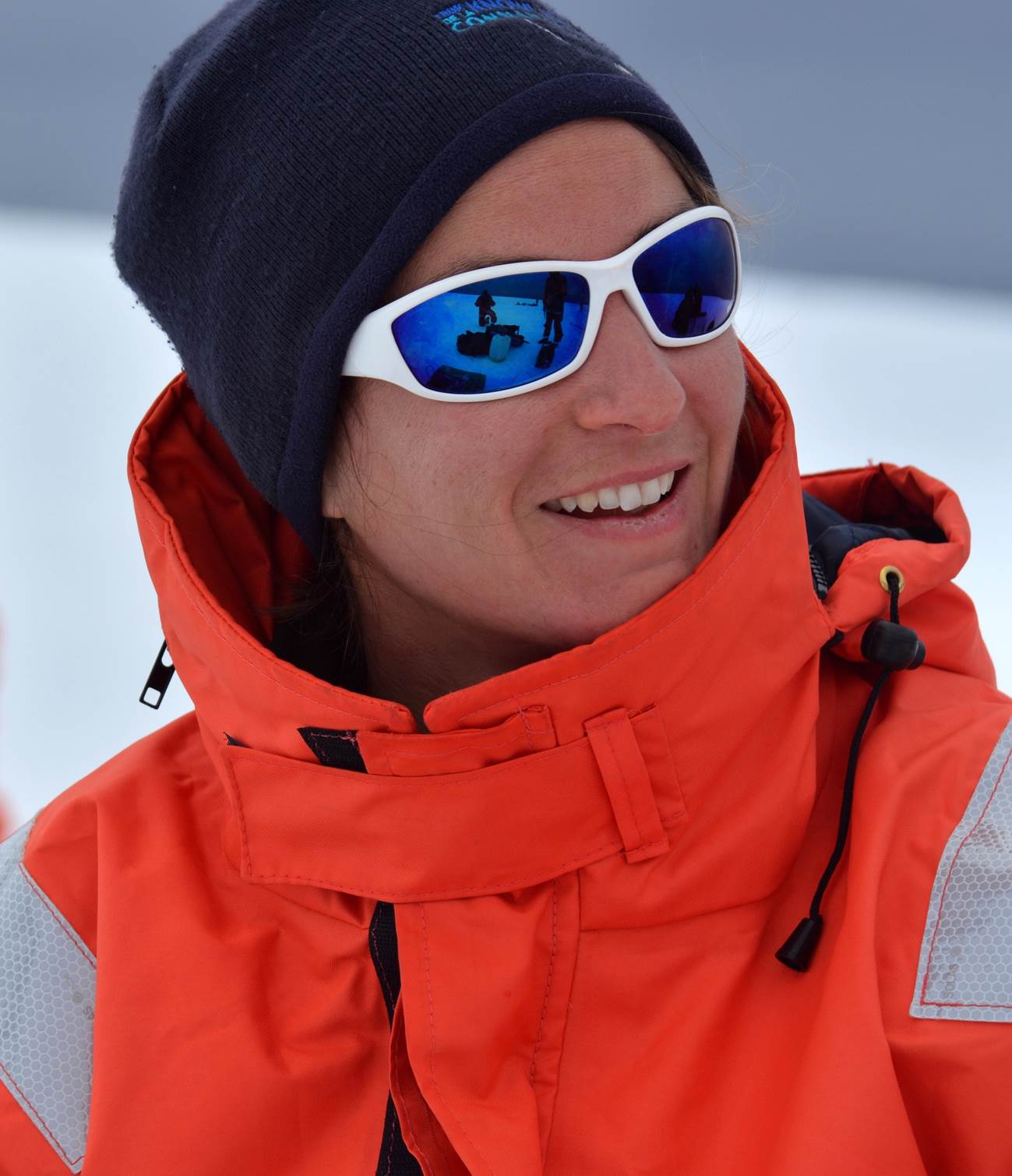 Bio: Julia Schmale is an atmospheric scientist working at the Paul Scherrer Institute, Villigen, Switzerland. She has multiple years of experience in planning, conducting and analyzing field experiments on various platforms at both poles and in alpine areas. Her research focuses on climate effects of aerosol particles, especially in extreme environments. During her PhD (Max Planck Institute for Chemistry, Germany) she participated in the International Polar Year flight campaigns over Greenland. Together with the Centre for Ecology and Hydrology and the British Antarctic Survey she conducted aerosol observations from the research station on Bird Island, Southern Ocean. She has also worked on snow-albedo effects of mineral dust and soot on Central Asian glaciers. And, Julia recently circumnavigated Antarctica to study aerosol-cloud interactions. In addition, Julia is a member of the Short-lived climate forcers expert group of the Arctic Monitoring and Assessment Programme and represents Switzerland in the Atmospheric Working Group within IASC.
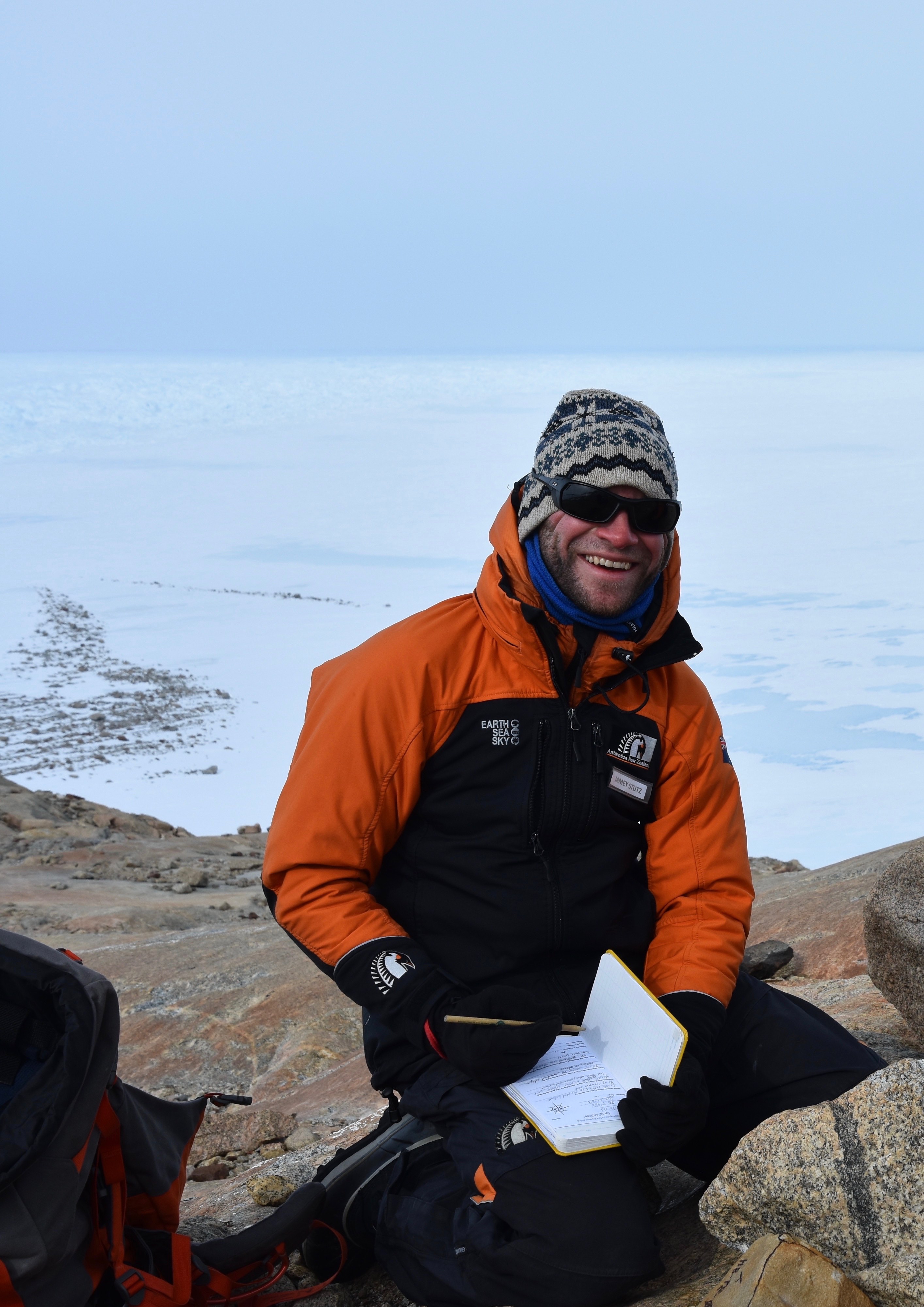 Antarctic Research Centre at Victoria University of Wellington, New Zealand