In our Polar and Alpine Community News we feature news from the many partners that APECS is working with, as well as other news from a variety of sources related to research in the Arctic, Antarctic and Alpine regions as well as the wider Cryosphere. Many thanks to APECS members and the wider Polar research community for contributing to this shared resources!
If you want to submit Polar or Alpine News for this page, please use the link below. If you have any questions, This email address is being protected from spambots. You need JavaScript enabled to view it..
We keep only the news of the last 3 months on this page. Older news can be accessed in our Polar and Alpine News Archive.
UArctic and the Arctic Circle welcome nominations for the 2025 Frederik Paulsen Arctic Academic Action Award until April 30, 2025.
The Arctic Academic Action Award aims to further the development of new ideas that could contribute materially to preventing, mitigating, adapting, and reversing the effects of climate change in the Arctic. 100,000 euros of unrestricted funds are provided to the awardee to help facilitate the development of ideas and increase impact through outreach, engagement and communication.
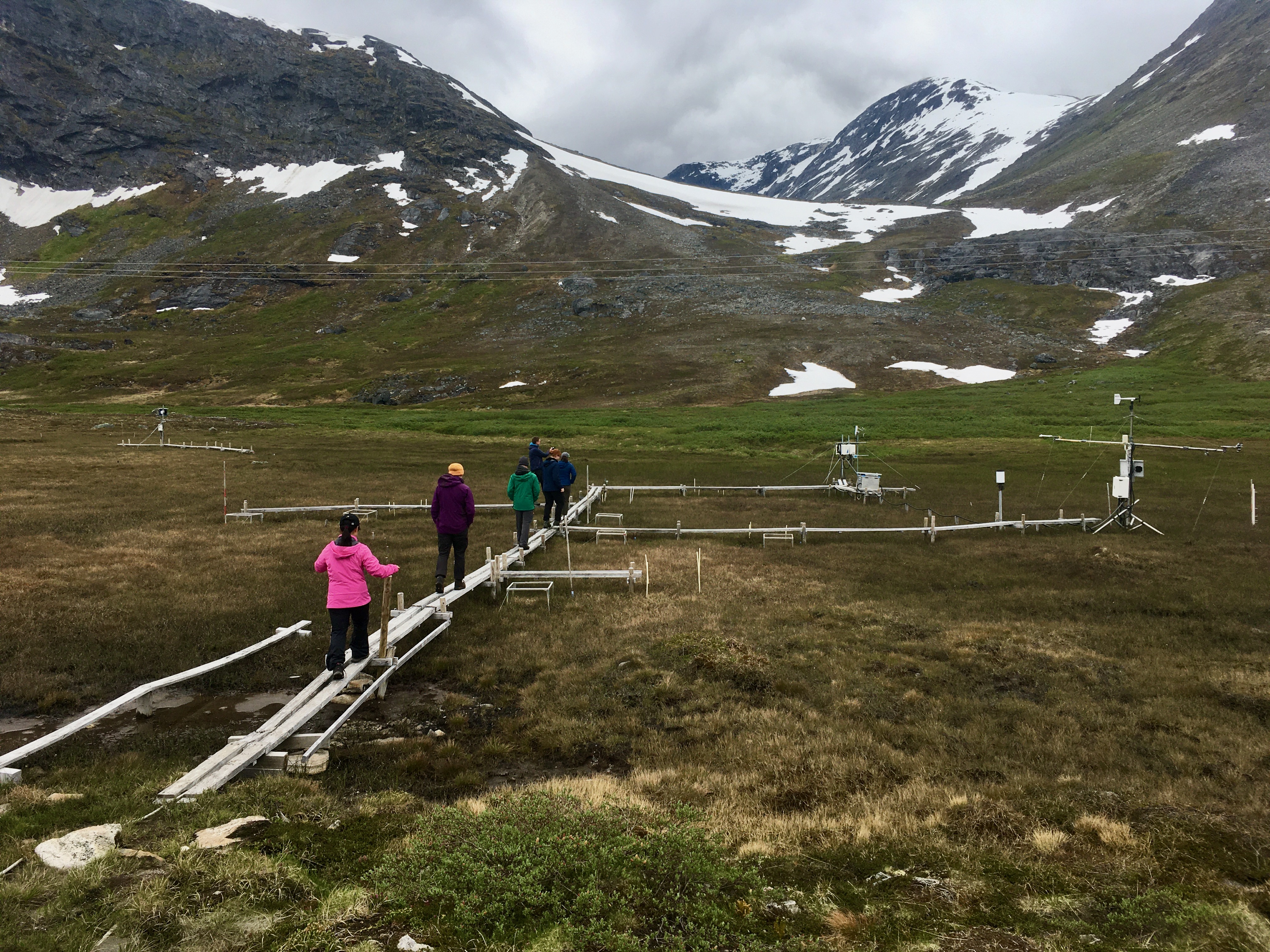
The Greenland Ice Sheet Ocean Science (GRISO) network will host the fourth GRISO Summer School in Nuuk, Greenland during September 8-19, 2025. The topic is "From Ice to Impact: Understanding Greenland’s Glaciers and Coastal Change”.
The GRISO Summer School emphasizes Greenland science and building collaboration, communication, and complex problem-solving skills across disciplines. Participants in the summer school will:
Learn about the state of science and research techniques pertaining to Greenland's ice sheet and ocean margins.
Develop skills in cross-discipline collaboration and communication to explore cutting-edge system science topics facilitated by experts from Knowinnovation.
Build and strengthen research community connections, especially a healthy and strong early career network.
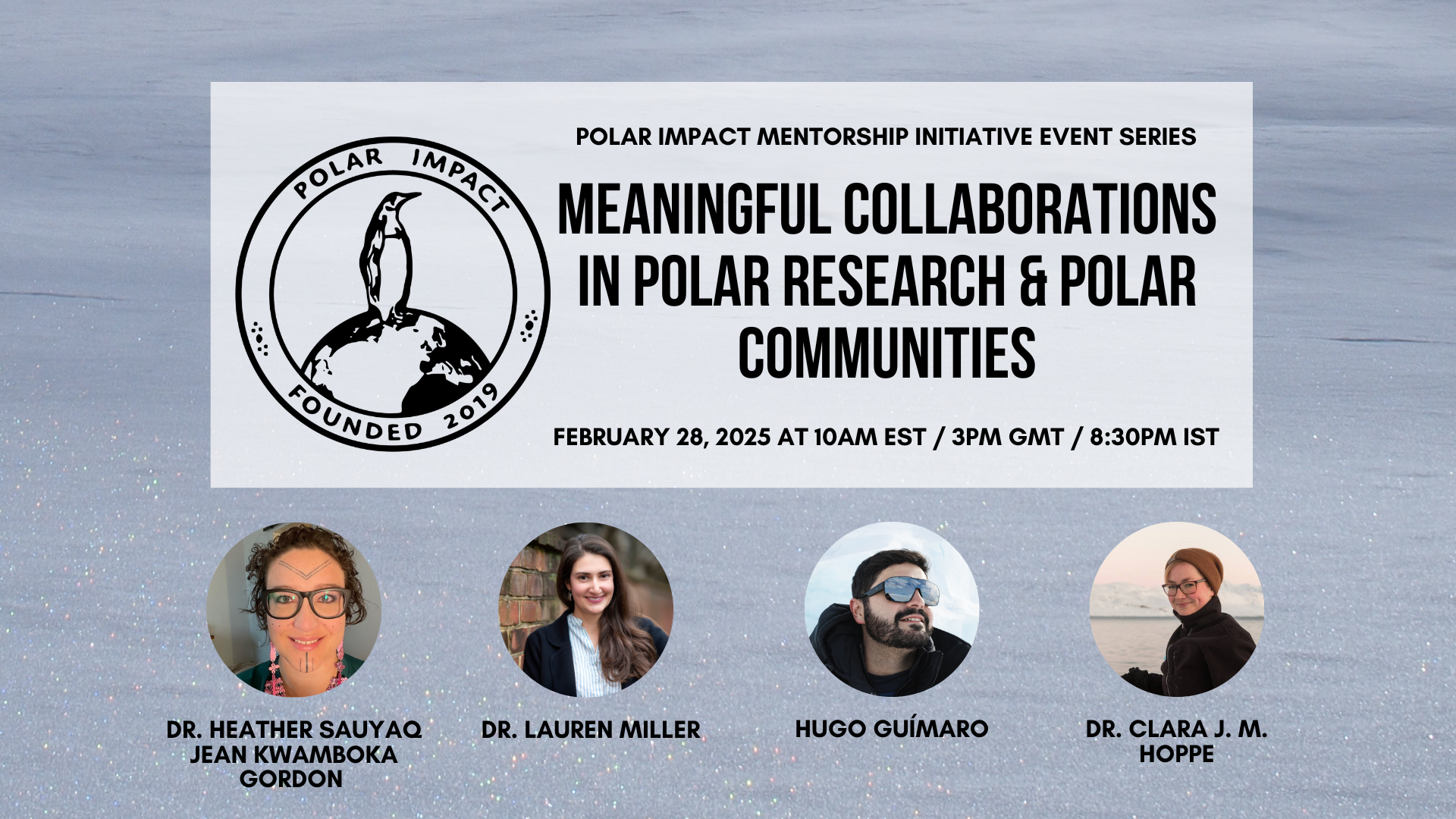
The Polar Impact Mentorship Initiative warmly invites the polar research community to join them and explore what contributes to “successful” collaborations! During this hour-long panel discussion, panelist will consider collaborations through multiple lenses and embrace the benefits that come from engaging with interdisciplinary research groups, policy and decision makers, and Indigenous and local community members. Whether you are building a career in polar research, have decades of polar experience, or want to learn more about how communities, scientists, and decision makers can better work together to solve complex problems, this panel discussion will offer insights and inspiration for all!
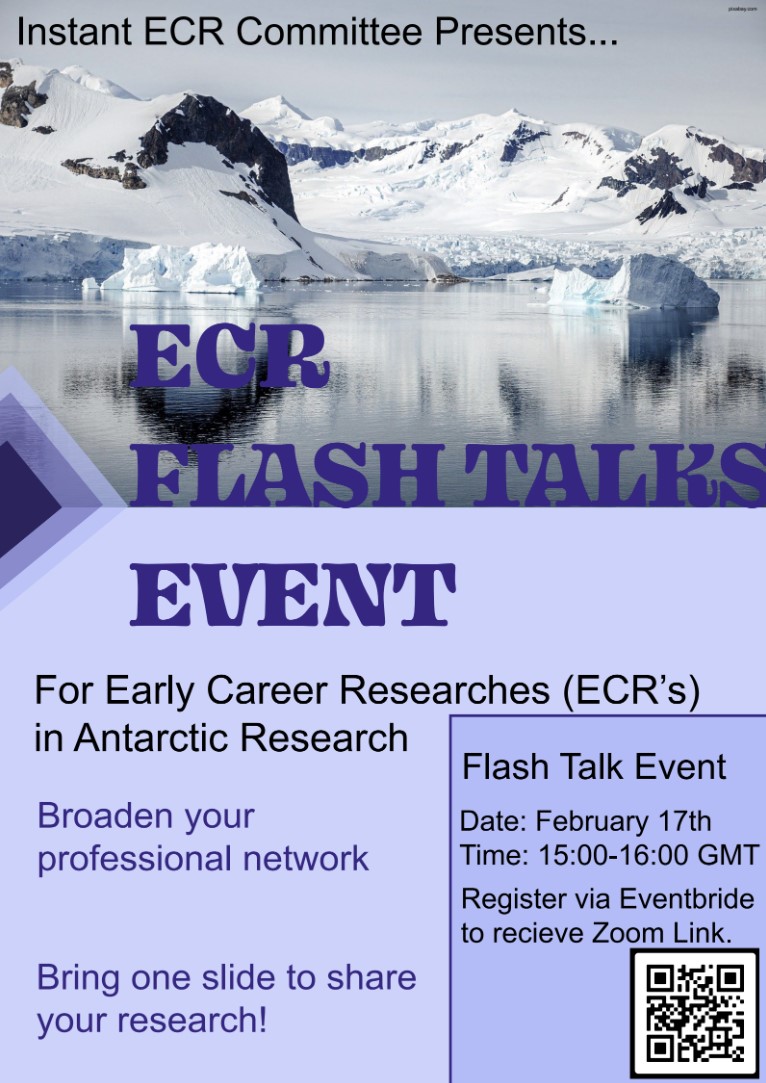
SCAR INSTANT Programme invites you to the onlineECR Flash Talks Event designed specifically for Early Career Researchers (ECRs) in Antarctic research. Whether your focus is on ice sheet dynamics, biology, atmospheric sciences, or social impacts of Antarctic research, this event is a great opportunity to share your research in a low-pressure and friendly setting. Either come along and share your research, or join the audience to find out what others are doing.
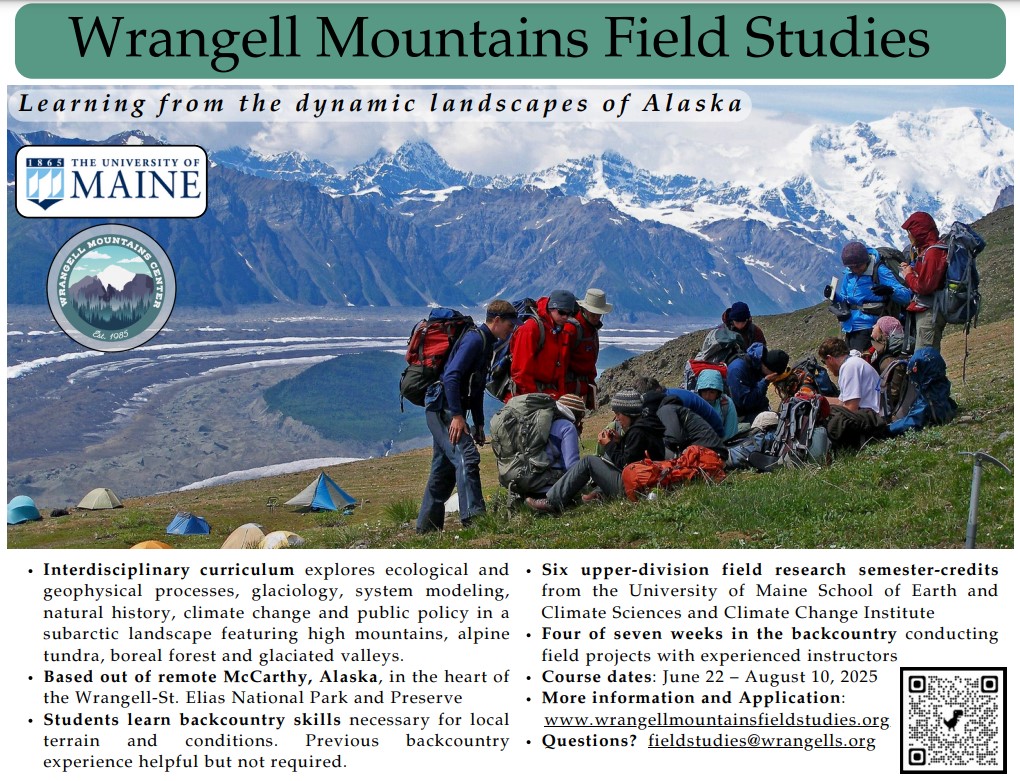
Applications are open for Wrangell Mountains Field Studies 2025.
Field Studies is an interdisciplinary field research program hosted by the Wrangell Mountains Center in McCarthy, Alaska, located in the center of Wrangell-St. Elias National Park and Preserve. The program is accredited through the University of Maine and offers six (6) semester-credits for Field Research Experience in Earth and Climate Sciences. Areas of focus include local geophysical processes (including glacier dynamics), ecology, system modeling, and land use/policy.
Interested students should apply via our application at https://wrangellmountainsfieldstudies.org/apply. Applications are reviewed on a rolling basis, so early submission is recommended. For questions please contact This email address is being protected from spambots. You need JavaScript enabled to view it.
The Arctic Youth Network (AYN) is excited to announce the recruitment of motivated and engaged youth aged 18 to 35 y.o. to join its current Board of Directors and people with extensive experience working in and with the Arctic to join an Advisory Board (no strict age limit). This recruitment aims to fill in 4 vacant positions in the Boards.
Every year, the European Union awards around 1,700 MSCA postdoctoral fellowships. These fund researchers to focus on the scientific puzzles they are most passionate about, full-time for up to three years.
MSCA funding is highly competitive. During the 2023-24 round, less than 16% of applications were successful. In contrast, all three applicants who applied through iC3 received funding – a perfect 100% success rate.
Building on this success, the iC3 Polar Research Hub is launching its own, in-house support programme for strong MSCA candidates.
We will actively support each selected applicant on a 1:1 basis, from the moment we take them on board until the day they submit their proposal.
This is an opportunity for you to help to shape the science and structure of a new SCAR biological research programme.
The aim of the new SCAR scientific programme concentrating on all areas of biology and ecology, Changes in Circumpolar Antarctic Gradients in Ecosystems (C-CAGE), is to use the natural environmental gradients in temperature, ice cover, and other physical drivers that exist in different parts of Antarctica and the sub-Antarctic (with latitude, longitude, altitude, and depth) to better predict the likely outcomes for life as the region’s habitats change.
C-CAGE is at the programme planning group stage and looking for input from the scientific community and they need your helpto establish who is interested in being part of C-CAGE and what it should be focusing on. They ask you to fill out a short survey (less than 10 minutes of your time) to help them narrow down these big themes and questions to those that are relevant to current and future work by the SCAR biological research community: https://forms.office.com/e/345VHHwT0Z
They would greatly value as many responses as possible before the end of March 2025 and would appreciate it if you would share this message with any relevant colleagues who might be interested. They encourage researchers of all career stages, backgrounds, nationalities, and areas of interest to contribute and ensure that their science is represented.
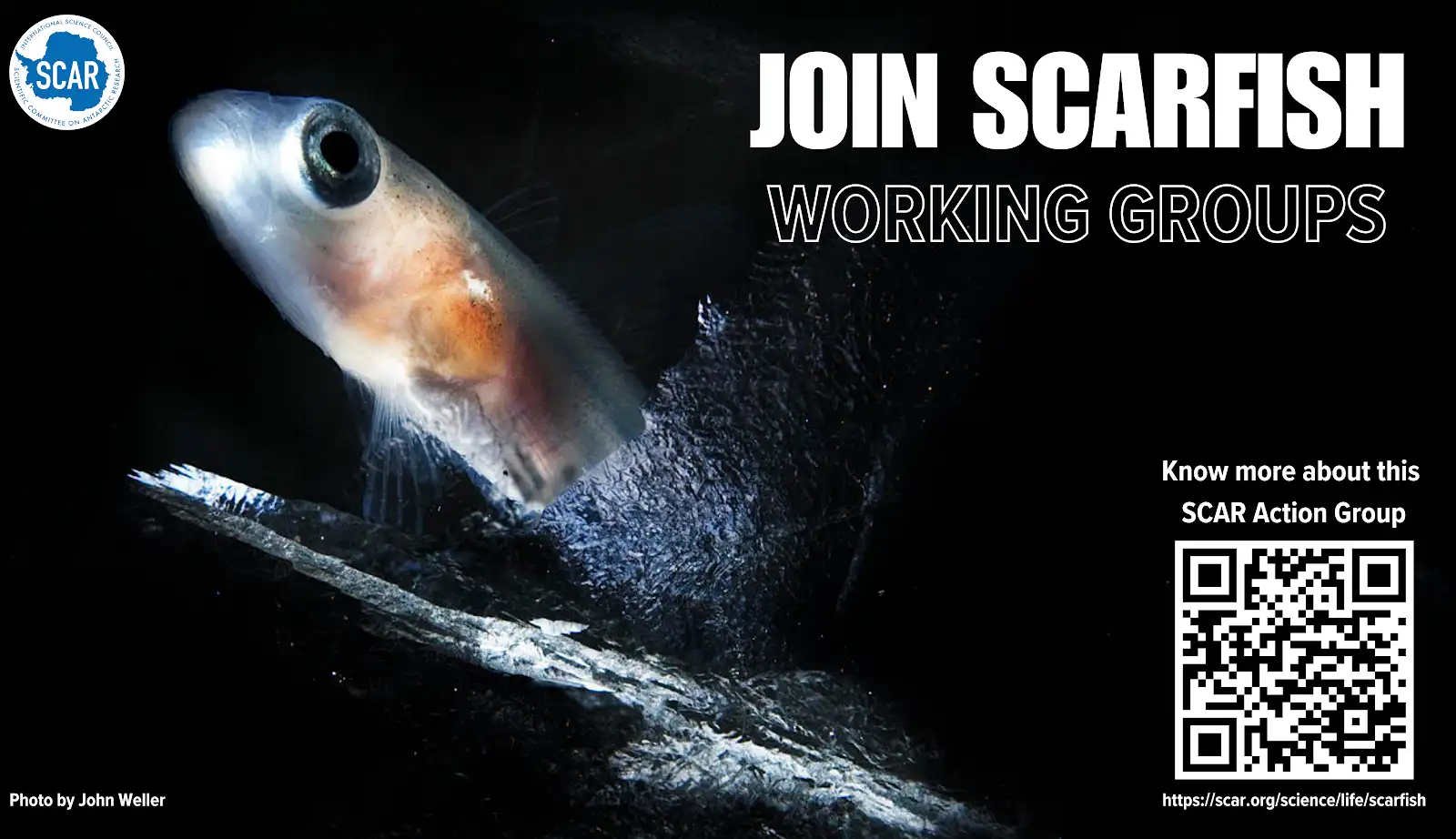
SCARFISH is a newly formed action group from the Scientific Committee on Antarctic Research (SCAR) under the Life Sciences Group that aims to identify research gaps in fish biology and foster broader international collaboration and coordination to fill those gaps; synthesize fish research needs from the Commission for the Conservation of Antarctic Marine Living Resources (CCAMLR) and work to integrate more comprehensive Southern Ocean fish research into CCAMLR; while increasing diversity in the Southern Ocean fish research community, including increasing the engagement of Early Career Researchers (ECRs) in this research topic.
SCARFISH is launching its Working groups and aims to engage ECRs in its activities, from co-leadership positions to working group members, that will be working alongside other ECRs and established scientists to achieve SCARFISH goals. If you are involved in Antarctic fish research and would like to participate in SCARFISH Working groups, please fill out this form.